

Ensuring the parallelism of the rollers on a three-roller plate bending machine is crucial for achieving high-quality bending results. As a supplier of three-roller plate bending machines, I understand the significance of this aspect in the manufacturing process. In this blog, I will share some effective methods and considerations to ensure the parallelism of the rollers.
Understanding the Importance of Roller Parallelism
Before delving into the methods of ensuring roller parallelism, it is essential to understand why it is so important. When the rollers of a three-roller plate bending machine are not parallel, several problems can occur. Firstly, uneven bending forces will be applied to the plate, resulting in uneven bending and poor-quality products. Secondly, excessive stress may be concentrated on certain parts of the rollers, leading to premature wear and tear, and reducing the service life of the machine. Therefore, maintaining the parallelism of the rollers is fundamental for the efficient and accurate operation of the three-roller plate bending machine.
Initial Installation and Alignment
The first step in ensuring roller parallelism starts with the initial installation of the machine. During the installation process, it is necessary to use precision measuring tools such as laser alignment devices and spirit levels to ensure that the base of the machine is level and the rollers are initially aligned correctly. The following steps can be followed:
- Level the Machine Base: Place the three-roller plate bending machine on a flat and solid foundation. Use a spirit level to check the horizontal level of the machine base in multiple directions. Adjust the leveling feet of the machine to ensure that the base is perfectly level. This is the foundation for ensuring the parallelism of the rollers.
- Check the Roller Alignment: Use a laser alignment device to measure the parallelism of the rollers. The laser beam can accurately show the relative position of the rollers. Adjust the position of the rollers according to the measurement results to ensure that they are parallel to each other within the specified tolerance range. This tolerance range is usually specified by the machine manufacturer and should be strictly followed.
Regular Maintenance and Inspection
Even after the initial installation and alignment, the parallelism of the rollers may change over time due to factors such as machine vibration, wear, and thermal expansion. Therefore, regular maintenance and inspection are necessary to ensure the long-term parallelism of the rollers.

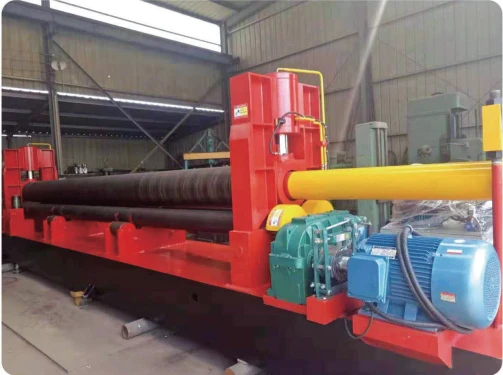
- Clean the Rollers: Regularly clean the rollers to remove dirt, debris, and metal shavings. These contaminants can affect the smooth rotation of the rollers and may cause uneven wear, which in turn affects the parallelism. Use a clean cloth and appropriate cleaning agents to clean the surface of the rollers.
- Lubricate the Rollers: Proper lubrication is essential for the smooth operation of the rollers and can reduce wear. Follow the manufacturer's recommendations to use the appropriate lubricant and lubricate the rollers at regular intervals. Check the lubrication system regularly to ensure that it is working properly.
- Inspect the Roller Bearings: The roller bearings play a crucial role in maintaining the parallelism of the rollers. Check the bearings regularly for signs of wear, damage, or misalignment. Replace any worn or damaged bearings promptly to prevent further problems.
- Measure the Roller Parallelism: Use precision measuring tools such as dial indicators to measure the parallelism of the rollers at regular intervals. Compare the measurement results with the initial installation data and the specified tolerance range. If the parallelism deviation exceeds the tolerance, adjustments need to be made.
Adjustment Methods
If the measurement results show that the parallelism of the rollers has deviated from the specified tolerance range, appropriate adjustment methods need to be used to correct it.
- Mechanical Adjustment: Some three-roller plate bending machines are equipped with mechanical adjustment mechanisms. These mechanisms usually include adjusting screws or wedges that can be used to fine-tune the position of the rollers. Refer to the machine's operation manual for the specific adjustment method and make the necessary adjustments gradually.
- Hydraulic Adjustment: For hydraulic three-roller plate bending machines, hydraulic cylinders can be used to adjust the position of the rollers. By controlling the hydraulic pressure in the cylinders, the rollers can be moved to the correct position. This method is more precise and convenient, but it requires a professional technician to operate.
Considerations in Operation
In addition to installation, maintenance, and adjustment, the operation of the three-roller plate bending machine also has an impact on the parallelism of the rollers. The following considerations should be taken into account during operation:
- Load Distribution: Ensure that the load is evenly distributed on the rollers during the bending process. Avoid overloading one side of the rollers, as this can cause uneven wear and affect the parallelism. When bending large or heavy plates, use appropriate support devices to ensure uniform load distribution.
- Operating Speed: Operate the machine at a reasonable speed. Excessive operating speed can cause vibration and impact, which may affect the parallelism of the rollers. Follow the manufacturer's recommended operating speed range to ensure the stable operation of the machine.
Conclusion
Ensuring the parallelism of the rollers on a three-roller plate bending machine is a comprehensive task that requires attention to every aspect from installation to operation. By following the methods and considerations outlined in this blog, the parallelism of the rollers can be effectively maintained, which will improve the quality of the bending products, extend the service life of the machine, and enhance the overall efficiency of the manufacturing process.
If you are interested in our three-roller plate bending machines, such as the Fully Automatic Hydraulic Plate Rolling Machine, Automatic Panel Machine, or Power Roller Rack, please feel free to contact us for more information and to discuss your specific requirements. We are committed to providing you with high-quality products and excellent service.
References
- Manufacturer's operation manual of three-roller plate bending machines
- Professional literature on machine tool alignment and maintenance


