

As a reputable supplier of beam straightening machines, I understand the critical importance of monitoring the operation status of these machines. Effective monitoring not only ensures the smooth and efficient functioning of the beam straightening process but also helps in preventing potential breakdowns and costly repairs. In this blog post, I will share some valuable insights on how to monitor the operation status of a beam straightening machine.
1. Visual Inspection
Visual inspection is the simplest yet most fundamental method of monitoring a beam straightening machine. Regularly walk around the machine and look for any obvious signs of wear and tear, loose components, or leaks. Check the hydraulic hoses for any cracks or bulges, as these can indicate potential hydraulic system failures. Inspect the mechanical parts such as gears, belts, and chains for proper alignment and tension. Any misalignment or excessive wear can lead to decreased performance and increased energy consumption.
Additionally, pay attention to the overall cleanliness of the machine. A dirty machine can attract dust and debris, which can cause premature wear of components and affect the accuracy of the straightening process. Regularly clean the machine and remove any accumulated dirt or debris.
2. Monitoring Hydraulic System
The hydraulic system is a crucial part of a beam straightening machine, as it provides the power needed to operate the straightening mechanism. Monitoring the hydraulic system is essential to ensure its proper functioning.

- Fluid Level and Quality: Check the hydraulic fluid level regularly and ensure it is within the recommended range. Low fluid levels can cause the hydraulic pump to overheat and damage the system. Also, inspect the fluid for any signs of contamination, such as dirt, water, or metal particles. Contaminated fluid can cause excessive wear of hydraulic components and reduce the efficiency of the system. If the fluid is contaminated, it should be replaced immediately.
- Pressure and Temperature: Use pressure gauges and temperature sensors to monitor the hydraulic pressure and temperature. The pressure should be within the specified range for the machine. Abnormal pressure readings can indicate a problem with the hydraulic pump, valves, or cylinders. Similarly, high temperatures can cause the hydraulic fluid to break down and reduce its lubricating properties. If the temperature exceeds the recommended limit, it is necessary to check for any blockages in the cooling system or other potential issues.
3. Monitoring Electrical System
The electrical system of a beam straightening machine controls various functions, such as the operation of motors, sensors, and control panels. Monitoring the electrical system is crucial to ensure its safety and reliability.
- Voltage and Current: Use a multimeter to measure the voltage and current at different points in the electrical system. The voltage should be within the specified range for the machine. Abnormal voltage readings can indicate a problem with the power supply or electrical components. Similarly, excessive current can cause overheating and damage to the electrical system. If any abnormal readings are detected, it is necessary to check for any loose connections, short circuits, or faulty components.
- Insulation Resistance: Measure the insulation resistance of the electrical wiring and components using an insulation tester. Low insulation resistance can indicate a problem with the insulation, which can lead to electrical shocks or short circuits. If the insulation resistance is below the recommended value, it is necessary to repair or replace the damaged insulation.
4. Monitoring Straightening Process
Monitoring the straightening process itself is essential to ensure the quality of the straightened beams.
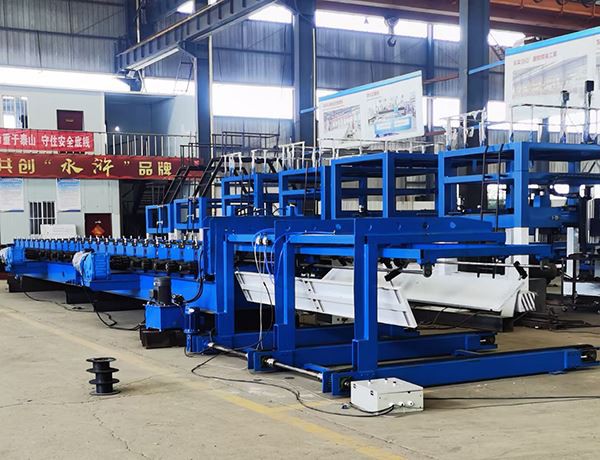
- Straightness Measurement: Use a straightness measuring device, such as a laser straightness gauge or a dial indicator, to measure the straightness of the beams before and after the straightening process. The measured straightness should be within the specified tolerance range. If the straightness is not within the tolerance, it may be necessary to adjust the straightening parameters or check for any problems with the machine.
- Force and Displacement: Monitor the force and displacement applied during the straightening process. The force should be within the recommended range for the type and size of the beams being straightened. Excessive force can cause damage to the beams or the machine, while insufficient force may not achieve the desired straightening effect. The displacement should also be monitored to ensure that the beams are being straightened to the correct position.
5. Using Sensors and Monitoring Systems
Modern beam straightening machines are often equipped with various sensors and monitoring systems that can provide real-time data on the operation status of the machine. These sensors can measure parameters such as temperature, pressure, vibration, and displacement.
- Vibration Sensors: Vibration sensors can detect any abnormal vibrations in the machine, which can indicate a problem with the mechanical components, such as bearings, gears, or shafts. By monitoring the vibration levels, it is possible to detect potential issues early and take preventive measures before they cause significant damage to the machine.
- Temperature Sensors: Temperature sensors can monitor the temperature of critical components, such as the hydraulic fluid, motors, and bearings. High temperatures can indicate a problem with the cooling system or excessive friction in the components. By monitoring the temperature, it is possible to detect potential overheating issues and take corrective actions to prevent damage to the machine.
- Monitoring Software: Many beam straightening machines are also equipped with monitoring software that can collect and analyze the data from the sensors. The software can provide real-time alerts and notifications when any abnormal conditions are detected. It can also generate reports and graphs to help operators and maintenance personnel understand the performance of the machine over time.
6. Regular Maintenance and Calibration
Regular maintenance and calibration are essential to ensure the accurate and reliable operation of a beam straightening machine.
- Scheduled Maintenance: Follow the manufacturer's recommended maintenance schedule for the machine. This includes tasks such as lubrication, filter replacement, and inspection of components. Regular maintenance can help prevent potential problems and extend the lifespan of the machine.
- Calibration: Calibrate the machine regularly to ensure the accuracy of the straightening process. This includes calibrating the sensors, measuring devices, and control systems. Calibration should be performed by qualified personnel using appropriate calibration equipment.
In conclusion, monitoring the operation status of a beam straightening machine is crucial for ensuring its smooth and efficient functioning, preventing potential breakdowns, and maintaining the quality of the straightened beams. By using a combination of visual inspection, monitoring of the hydraulic and electrical systems, monitoring of the straightening process, and the use of sensors and monitoring systems, operators can detect potential issues early and take corrective actions to prevent costly repairs and downtime.

If you are interested in our beam straightening machines or other related products such as CNC Container Side Panel Pressing Machine, CNC Container Roof Forming Machine, and Semi-trailer Corrugated Board Forming Machine, please feel free to contact us for more information and to discuss your specific requirements. We are committed to providing high-quality products and excellent customer service.
References
- Manufacturer's manuals and technical documentation for beam straightening machines.
- Industry standards and guidelines for the operation and maintenance of industrial machinery.
- Professional literature on hydraulic and electrical systems, as well as mechanical engineering principles.


