

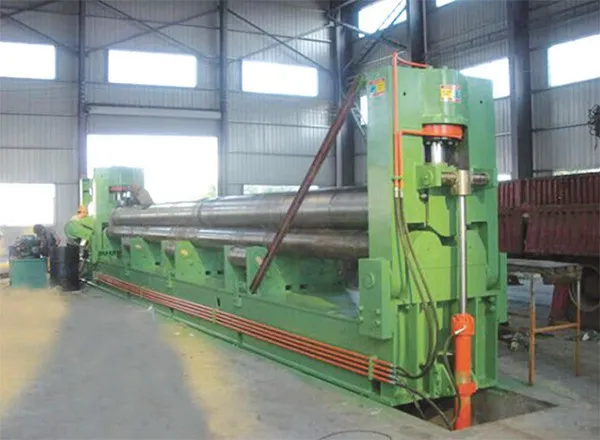
Transporting a plate rolling machine is a complex and crucial task that requires careful planning and execution. As a reputable plate rolling machine supplier, we understand the importance of ensuring that these valuable and often heavy pieces of equipment are moved safely and efficiently from our facility to your site. In this blog post, I'll share some key steps and considerations to help you navigate the transportation process successfully.
Pre - transportation Planning
Before you even think about moving the plate rolling machine, a comprehensive pre - transportation plan is essential.
Assessment of the Machine
First, conduct a detailed assessment of the plate rolling machine. Measure its dimensions, including length, width, height, and weight. This information is crucial as it will determine the type of transportation vehicle required. For example, our CNC Hydraulic Plate Bending Machine may have different dimensions and weight compared to a standard steel plate rolling machine. Make sure to note any protruding parts, delicate components, or special features that may require extra care during handling.
Route Planning
Plan the transportation route carefully. Consider factors such as road conditions, traffic patterns, and any potential obstacles like low bridges, narrow roads, or weight - restricted areas. Use mapping tools and local knowledge to find the safest and most efficient route. If possible, conduct a site visit to the destination to identify any on - site challenges, such as tight access points or uneven ground.
Permits and Regulations
Check and obtain all the necessary permits for transporting the plate rolling machine. Different regions have different regulations regarding the transportation of heavy and oversized loads. This may include over - dimensional permits, special hauling licenses, and compliance with safety standards. Failure to obtain the proper permits can result in delays, fines, and legal issues.
Machine Preparation
Once the pre - transportation planning is complete, it's time to prepare the plate rolling machine for the journey.
Disassembly
In some cases, it may be necessary to disassemble certain parts of the plate rolling machine to make it more manageable for transportation. This could include removing accessories, control panels, or other detachable components. Label all the parts clearly to ensure easy reassembly at the destination. For example, our Steel Plate Rolling Machine may have some removable parts that can be taken off to reduce its overall size and weight.
Cleaning and Protection
Clean the plate rolling machine thoroughly to remove any dirt, debris, or lubricants. This not only helps in preventing damage during transportation but also makes it easier to inspect the machine for any signs of wear or damage. Protect vulnerable parts with padding, covers, or other protective materials. Use shock - absorbing materials to cushion the machine against vibrations and impacts during transit.
Securing the Machine
Secure the plate rolling machine firmly to the transportation vehicle. Use high - quality straps, chains, or other securing devices to prevent movement during transit. Make sure the machine is centered and balanced on the vehicle to avoid any tipping or shifting. For heavy machines, consider using specialized loading equipment such as cranes or forklifts to ensure proper positioning on the transport vehicle.
Choosing the Right Transportation Method
Selecting the appropriate transportation method is crucial for the safe and efficient delivery of the plate rolling machine.
Trucking
Trucking is one of the most common methods for transporting plate rolling machines. Choose a reputable trucking company with experience in hauling heavy and oversized loads. Ensure that the truck is equipped with the necessary features, such as a flatbed trailer, hydraulic lift gates, and proper tie - down points. The trucking company should also have a good safety record and be able to provide insurance coverage for the shipment.
Rail Transport
For long - distance transportation, rail transport can be a cost - effective and reliable option. Railroads are designed to handle heavy loads and can offer a more stable and secure mode of transportation compared to trucks. However, rail transport may require additional handling at rail yards and may not be suitable for all destinations.

Shipping Containers
If the plate rolling machine needs to be transported overseas, shipping containers are a popular choice. Containers provide protection from the elements and can be easily transferred between different modes of transportation, such as trucks, trains, and ships. Make sure the container is the right size for the machine and is properly secured inside.
On - site Delivery and Installation
Once the plate rolling machine arrives at the destination, proper on - site delivery and installation are essential.
Unloading
Use appropriate equipment, such as cranes or forklifts, to unload the plate rolling machine safely from the transportation vehicle. Follow all safety procedures and ensure that the unloading area is clear of any obstacles. Inspect the machine again for any signs of damage during transit.
Reassembly
Reassemble the plate rolling machine according to the disassembly labels and instructions. Make sure all the parts are properly aligned and tightened. Check the electrical connections, hydraulic systems, and other components to ensure they are functioning correctly.
Testing and Commissioning
After reassembly, conduct thorough testing and commissioning of the plate rolling machine. This includes running test cycles, checking the accuracy of the bending operations, and verifying the performance of all the functions. Make any necessary adjustments or repairs before putting the machine into full operation.
Conclusion
Transporting a plate rolling machine is a multi - step process that requires careful planning, preparation, and execution. By following the steps outlined in this blog post, you can ensure that your plate rolling machine is transported safely and efficiently to its destination. At our company, we are committed to providing high - quality plate rolling machines and assisting our customers throughout the transportation process.
If you are interested in purchasing a plate rolling machine or need more information about our products, please feel free to contact us for a detailed discussion and procurement negotiation. We look forward to working with you to meet your industrial needs.
References
- Transportation regulations from local government agencies
- Industry best practices for heavy equipment transportation
- Manufacturer's manuals for plate rolling machines


