

Hey there! As a supplier of welding robot workstations, I've seen my fair share of common problems that can pop up. In this blog, I'll share some tips on how to troubleshoot these issues so you can keep your welding operations running smoothly.
1. Electrical and Control System Problems
Power Supply Issues
One of the most basic yet crucial things to check is the power supply. If the welding robot workstation suddenly stops working, the first thing I'd do is look at the power source. Make sure the main power switch is on, and there are no tripped circuit breakers. Sometimes, a simple power surge can cause a breaker to trip.
Another thing to consider is the voltage. Welding machines usually require a specific voltage range to operate correctly. If the voltage is too high or too low, it can lead to all sorts of problems, like inconsistent welds or even damage to the equipment. You can use a multimeter to check the voltage at the power outlet. If it's outside the recommended range, you might need to consult an electrician.
Control Panel Malfunctions
The control panel is like the brain of the welding robot workstation. If you're getting error messages or the controls aren't responding as they should, there are a few things you can do. First, check the connections between the control panel and the robot. Loose or damaged cables can cause communication problems.
Sometimes, the issue might be with the software. Try restarting the control system. Just like your computer, sometimes a simple reboot can fix glitches. If the problem persists, you might need to update the software. Most manufacturers provide software updates to improve performance and fix bugs. You can check the manufacturer's website for the latest version and follow their instructions for installation.
2. Welding Quality Problems
Inconsistent Weld Beads
If you're noticing that the weld beads are inconsistent, it could be due to several factors. One common cause is improper wire feed. The wire should feed smoothly and at a consistent speed. Check the wire feeder for any blockages or kinks in the wire. You might also need to adjust the wire feed speed. This can usually be done through the control panel.
Another factor is the welding current and voltage. If they're not set correctly, it can affect the quality of the weld. Refer to the welding parameters recommended by the manufacturer for the specific material you're welding. You may need to make some adjustments and test a few sample welds to find the right settings.
Porosity in Welds
Porosity in welds is a common problem that can weaken the joint. It's often caused by impurities in the shielding gas or improper gas flow. Check the gas cylinder to make sure it's not empty or low on pressure. Also, inspect the gas lines for any leaks. A damaged gas line can allow air to mix with the shielding gas, leading to porosity.
The surface of the material being welded also plays a role. Make sure the material is clean and free of rust, oil, or dirt. These contaminants can introduce gases into the weld pool and cause porosity. You can use a wire brush or a grinder to clean the surface before welding.
3. Mechanical and Movement Problems
Robot Arm Stiffness or Jerking
If the robot arm is moving stiffly or jerking, it could be a sign of mechanical problems. First, check the lubrication of the joints. Over time, the lubricant can dry out or become contaminated, causing friction and making the movement less smooth. Refer to the manufacturer's guidelines for the appropriate lubricant and how often it should be applied.
Another possible cause is loose or damaged components. Inspect the bolts and nuts on the robot arm to make sure they're tight. If you notice any signs of damage, such as a cracked bracket or a worn-out gear, you'll need to replace the affected part.
Incorrect Positioning
Incorrect positioning of the welding torch can lead to poor weld quality. This can be caused by calibration issues or problems with the sensors. Start by checking the calibration of the robot. Most welding robot workstations have a calibration procedure that you can follow. This usually involves making some small adjustments to ensure the robot is in the correct position.

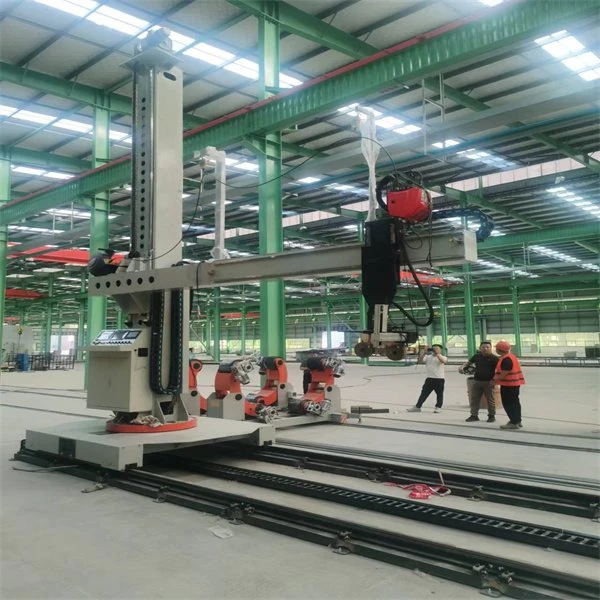
If the calibration is correct, the problem might be with the sensors. The sensors are responsible for detecting the position of the workpiece and guiding the robot. Check the sensors for any damage or debris. Clean them if necessary and make sure they're properly aligned.
4. Tooling and Fixture Problems
Improper Clamping
If the workpiece isn't properly clamped, it can move during the welding process, leading to inaccurate welds. Check the clamps to make sure they're tight and in the right position. You may need to adjust the pressure of the clamps to ensure a secure hold.
Also, make sure the clamps are compatible with the shape and size of the workpiece. Using the wrong type of clamp can cause damage to the workpiece or prevent it from being held securely.
Wear and Tear on Tooling
Tooling, such as the welding torch and nozzles, can wear out over time. If you're noticing a decrease in weld quality or an increase in spatter, it could be due to worn-out tooling. Inspect the tooling regularly and replace any parts that show signs of excessive wear.
For example, if the welding nozzle is clogged or damaged, it can affect the gas flow and the distribution of the welding arc. Cleaning or replacing the nozzle can often solve these problems.
Product Recommendations
If you're in the market for a new welding robot workstation or looking to upgrade your existing equipment, we offer a range of high-quality products. Check out our Tank Circumferential Seam Welding Machine, Semitrailer Frame Robot Automatic Welding Workstation, and Automatic Tank Girth Welding Machine. These machines are designed to provide reliable and efficient welding performance.
Let's Connect
If you're facing any problems with your welding robot workstation or if you're interested in our products, don't hesitate to reach out. We're here to help you troubleshoot issues and find the best solutions for your welding needs. Contact us to discuss your requirements and start a procurement process.
References
- Welding Handbook, American Welding Society
- Robotics and Automation in Welding, Industry publications


