

Hey there! As a supplier of automatic welding machines, I've seen my fair share of common problems that users run into. In this blog, I'll share some tips on how to troubleshoot these issues so you can keep your welding operations running smoothly.
1. Welding Quality Issues
Poor Weld Penetration
One of the most common problems is poor weld penetration. This can result in weak joints that won't hold up over time. There are a few reasons why this might happen.
- Incorrect Amperage Settings: If the amperage is too low, the weld won't penetrate deeply enough. Check your welding machine's manual to find the recommended amperage for the type and thickness of the metal you're working with. Adjust the settings accordingly.
- Wrong Electrode or Wire: Using the wrong electrode or wire can also lead to poor penetration. Make sure you're using the right type for the job. For example, some electrodes are designed for specific metals or welding positions.
- Fast Welding Speed: If you're moving the welding torch too quickly, the heat won't have enough time to penetrate the metal. Slow down your welding speed to allow for better penetration.
Porosity in Welds
Porosity looks like small holes in the weld, and it can weaken the joint. Here's what could be causing it.
- Contaminated Base Metal: Dirt, rust, oil, or paint on the base metal can cause porosity. Clean the metal thoroughly before welding. You can use a wire brush, grinder, or chemical cleaner to remove contaminants.
- Shielding Gas Issues: If you're using a gas - shielded welding process, problems with the shielding gas can lead to porosity. Check the gas flow rate and make sure the gas cylinder isn't empty or has a leak. Also, ensure that the gas is the right type for your welding process.
- Incorrect Arc Length: An arc that's too long can allow air to enter the weld pool, causing porosity. Keep the arc length as short as possible while still maintaining a stable arc.
2. Electrical Problems
No Power or Intermittent Power
If your welding machine won't turn on or has intermittent power, these are the things to check.
- Power Supply: First, make sure the machine is properly plugged into a working power outlet. Check the circuit breaker or fuse to see if it has tripped. If it has, reset it and see if the machine powers on.
- Power Cord: Inspect the power cord for any signs of damage, such as cuts or frayed wires. If you find any damage, replace the power cord immediately.
- Internal Electrical Components: If the power supply and cord are fine, there could be an issue with the internal electrical components. This is a more complex problem and may require professional repair. Contact our technical support team for assistance.
Overheating
Overheating can damage the welding machine and reduce its lifespan.
- Blocked Cooling Vents: The cooling vents on the welding machine need to be clear to allow proper airflow. Check for any debris or dust blocking the vents and clean them out.
- Overloading: If you're using the welding machine at a higher amperage or for longer periods than it's rated for, it can overheat. Make sure you're operating the machine within its specifications.
- Faulty Cooling Fan: The cooling fan is responsible for keeping the machine cool. If it's not working properly, the machine will overheat. Check the fan to see if it's spinning. If not, it may need to be replaced.
3. Mechanical Problems
Torch or Gun Issues
The torch or gun is an important part of the welding machine, and problems with it can affect the welding process.
- Nozzle Blockage: Spatter can build up in the nozzle of the torch or gun, blocking the gas flow or causing uneven wire feeding. Clean the nozzle regularly to prevent blockages. You can use a nozzle cleaner or a wire brush.
- Wire Feeding Problems: If the wire isn't feeding smoothly, it can cause inconsistent welds. Check the wire feed mechanism for any jams or misalignments. Make sure the wire spool is rotating freely and that the tension on the wire is set correctly.
- Damaged Torch Cable: A damaged torch cable can cause electrical problems and affect the performance of the torch. Inspect the cable for any cuts or breaks. If you find damage, replace the cable.
Movement and Positioning Problems
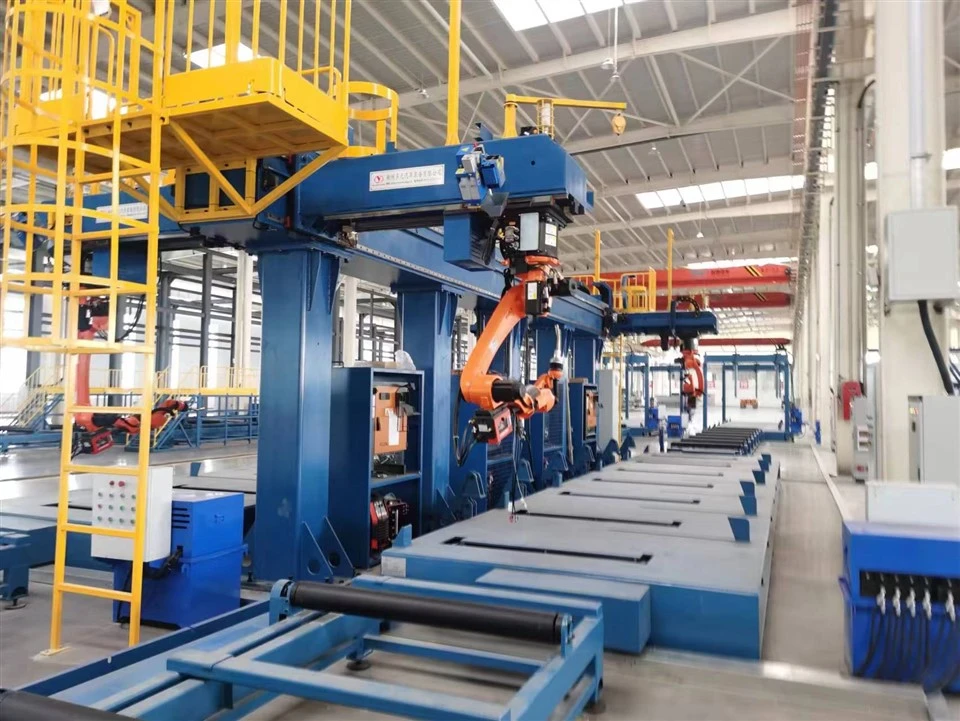
In some cases, especially with Welding Robot Workstation or other automated systems, issues with movement and positioning can occur.
- Calibration Issues: The robot or automated system may need to be calibrated correctly. Check the calibration settings and follow the manufacturer's instructions to recalibrate if necessary.
- Mechanical Wear and Tear: Over time, the moving parts of the welding machine or robot can wear out. Inspect the gears, bearings, and tracks for signs of wear. Replace any worn - out parts to ensure smooth movement.
4. Software and Control Problems (for Automated Machines)
Programming Errors
If you're using an automated welding machine, programming errors can lead to incorrect welding patterns or operations.
- Incorrect Parameter Input: Double - check all the welding parameters you've entered into the control system, such as welding speed, amperage, and wire feed rate. Make sure they match the requirements of the job.
- Logic Errors in the Program: There could be logical errors in the welding program. Review the program code or use the diagnostic tools provided by the machine to identify and fix these errors.
Control Panel Malfunctions
Problems with the control panel can prevent you from operating the machine correctly.
- Button or Display Issues: If the buttons on the control panel aren't working or the display is blank or showing incorrect information, there could be a hardware problem. Check the connections to the control panel and, if necessary, contact our support team for replacement parts.
- Software Glitches: Sometimes, software glitches can cause control panel problems. Try resetting the control system or updating the software to the latest version.
5. Troubleshooting Tips for Different Types of Automatic Welding Machines
Workshop Welding Machines
These machines are commonly used in workshops for various welding tasks.
- Regular Maintenance: Perform regular maintenance, such as cleaning the machine, checking the electrical connections, and lubricating the moving parts. This can prevent many common problems.
- Operator Training: Make sure your operators are properly trained on how to use the machine. Incorrect operation can lead to a variety of issues.
Laser Tracking Semi - Trailer Longitudinal Beam Portal Automatic Welding Machine
This specialized machine has its own set of potential problems.
- Laser System Calibration: The laser tracking system needs to be calibrated accurately. Check the calibration regularly and adjust it if the welding isn't following the correct path.
- Beam Alignment: Ensure that the laser beam is properly aligned with the welding area. Misaligned beams can cause welding errors.
In conclusion, troubleshooting common problems in automatic welding machines requires a systematic approach. By following these tips, you can identify and fix many issues on your own. However, if you're still having problems or if the issue seems too complex, don't hesitate to reach out to us. As a leading supplier of automatic welding machines, we're here to help you keep your operations running smoothly. Whether you need technical support, replacement parts, or advice on choosing the right machine for your needs, we're just a message away. Contact us to start a discussion about your welding requirements and let's work together to find the best solutions for your business.
References
- Welding Handbook, American Welding Society
- Manufacturer's manuals for automatic welding machines


