

Hey there! As a supplier of flat plate turning machines, I often get asked about the differences between horizontal and vertical flat plate turning machines. So, I thought I'd write this blog to clear things up and give you a better understanding of these two types of machines.
How They Look and Are Set Up
Let's start with the basics - the physical setup. A horizontal flat plate turning machine has its working surface parallel to the ground. Picture it like a big table where the flat plate lies flat, and the cutting or turning tools move across it horizontally. This setup makes it easy to load and unload large and heavy plates because you can just slide them on and off.
On the other hand, a vertical flat plate turning machine stands upright. The flat plate is held vertically, and the tools move up and down or around it. This design takes up less floor space compared to the horizontal one. It's like having a tall bookshelf where the plates are stored vertically.
How They Work and What They're Good At
Now, let's talk about how they operate and what they're best suited for. Horizontal flat plate turning machines are great for handling large, flat plates. The horizontal orientation allows for better support of the plate during the turning process. Since the plate lies flat, gravity helps keep it stable, reducing the chances of it warping or moving around. This makes them ideal for industries that deal with large-scale manufacturing, like shipbuilding or heavy machinery production.
For example, if you're making the hull of a ship, you'll need to work on large, flat steel plates. A horizontal turning machine can handle these massive plates with ease, ensuring precise cuts and a smooth finish. The horizontal movement of the tools also allows for longer continuous cuts, which can speed up the production process.
Vertical flat plate turning machines, however, are more flexible when it comes to working on plates of different sizes and shapes. Because the plate is held vertically, it's easier to access all sides of the plate. This makes them a great choice for jobs that require complex machining operations, such as creating intricate patterns or cutting holes at different angles.
Let's say you're making custom metal parts for a high - tech project. You might need to cut some odd - shaped holes or create a detailed surface finish. A vertical turning machine can give you the precision and control you need to achieve these results.
Precision and Accuracy
Precision is a crucial factor in any machining process. Horizontal flat plate turning machines generally offer high precision when it comes to flatness and parallelism. The stable horizontal setup ensures that the cutting tools move in a straight line, resulting in accurate cuts across the entire surface of the plate. This is especially important in industries where tight tolerances are required, such as aerospace or automotive manufacturing.
Vertical flat plate turning machines also provide excellent precision, but they excel in achieving accuracy in vertical dimensions. The vertical orientation allows for better control over the depth of cuts and the alignment of different features on the plate. This makes them a top choice for applications where vertical accuracy is critical, like in the production of some types of molds or dies.
Cost and Maintenance
Cost is always a consideration when choosing a machine. Horizontal flat plate turning machines tend to be more expensive upfront. They are larger, require more materials to build, and often come with more powerful motors to handle the heavy - duty work. However, in the long run, they can be more cost - effective for high - volume production because of their ability to work on large plates quickly.
Maintenance is another aspect to think about. Horizontal machines may require more maintenance due to their larger size and the complexity of their horizontal movement mechanisms. They also need a larger floor space, which can add to the overall cost of operation.
Vertical flat plate turning machines are generally more affordable to purchase. They are smaller and less complex, which means lower maintenance costs. However, if you need to work on very large plates, you might need to invest in additional equipment to handle the loading and unloading, which can add to the cost.
Our Product Range
As a supplier, I'm proud to offer a wide range of flat plate turning machines to meet different customer needs. We have Fully Automatic Fliping Machine, which can significantly improve the efficiency of the turning process. This machine is designed to automatically flip the plate during the machining process, reducing the need for manual handling and speeding up production.
Our Beam Weight Reduction Flanging Machine is another great option. It's specifically designed to reduce the weight of beams while maintaining their structural integrity. This machine can be used in both horizontal and vertical setups, depending on your specific requirements.
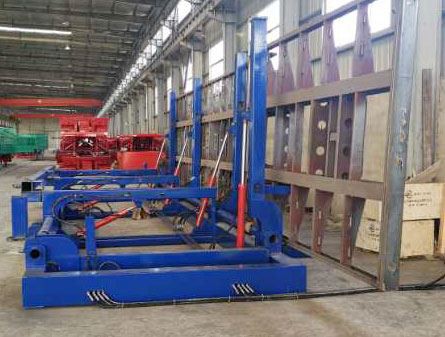

And for those who need a reliable and powerful machine, our Hydraulic Turning Machine is a top - notch choice. It uses hydraulic power to provide smooth and precise movement of the cutting tools, ensuring high - quality results every time.
Wrapping It Up and Getting in Touch
In conclusion, the choice between a horizontal and vertical flat plate turning machine depends on your specific needs. If you're dealing with large, flat plates and high - volume production, a horizontal machine might be the way to go. But if you need more flexibility for complex machining operations and smaller plates, a vertical machine could be a better fit.
If you're interested in learning more about our flat plate turning machines or have any questions about which type is right for your business, don't hesitate to reach out. We're here to help you make the best decision and provide you with the equipment you need to take your production to the next level.
References
- "Machining Handbook" by Industrial Press Inc.
- "Manufacturing Engineering and Technology" by Serope Kalpakjian and Steven Schmid.


