

As a leading supplier of hydraulic turning machines, I've encountered numerous inquiries regarding the disparities between single - acting and double - acting hydraulic turning machines. In this blog, I'll delve into the fundamental differences, advantages, and applications of these two types of machines to help you make an informed decision when considering a purchase.
1. Basic Working Principles
Single - Acting Hydraulic Turning Machine
A single - acting hydraulic turning machine operates primarily on a one - way hydraulic force. In this setup, hydraulic pressure is used to generate motion in one direction, typically the working stroke. For example, when the hydraulic pump is activated, it forces hydraulic fluid into the cylinder, causing the piston to move in a specific direction, which then drives the turning mechanism. Once the working stroke is completed, a return mechanism, often a spring or gravity, is employed to bring the piston back to its original position.
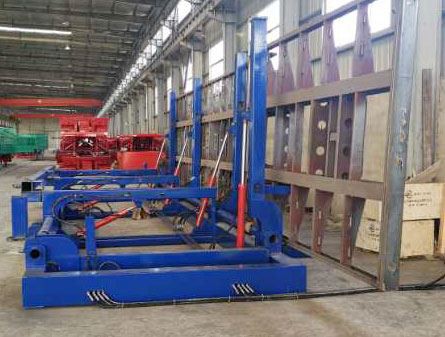

This simple design makes single - acting hydraulic turning machines relatively straightforward in terms of construction and operation. They are often used in applications where a unidirectional force is sufficient, such as in some light - duty turning operations where the workpiece only needs to be turned in one direction and doesn't require complex multi - directional movements.
Double - Acting Hydraulic Turning Machine
In contrast, a double - acting hydraulic turning machine uses hydraulic pressure to generate motion in both directions. The hydraulic system is designed with two ports in the cylinder. When hydraulic fluid is pumped into one port, the piston moves in one direction, and when the fluid is pumped into the other port, the piston moves in the opposite direction. This bidirectional movement allows for more precise and complex turning operations.
The ability to control the movement of the turning mechanism in both directions provides greater flexibility and efficiency. For instance, in heavy - duty industrial applications, a double - acting machine can quickly reverse the turning direction, which is crucial for tasks like machining large and complex workpieces that require multiple passes from different angles.
2. Structural Differences
Single - Acting Machines
Single - acting hydraulic turning machines generally have a simpler structure. They typically consist of a hydraulic pump, a single - acting cylinder, a control valve, and a turning mechanism. The single - acting cylinder has a single port for the entry of hydraulic fluid, and the return mechanism is often an external component. This simplicity in structure results in lower manufacturing costs and easier maintenance. However, it also limits the machine's functionality and performance capabilities compared to double - acting machines.
Double - Acting Machines
Double - acting machines are more complex in structure. They require a more sophisticated hydraulic system with two ports in the cylinder and a more advanced control valve to regulate the flow of hydraulic fluid in both directions. Additionally, the turning mechanism often needs to be more robust to handle the bidirectional forces. This complexity leads to higher manufacturing costs, but it also enables the machine to perform a wider range of turning operations with greater precision and efficiency.
3. Advantages and Disadvantages
Advantages of Single - Acting Machines
- Cost - Effective: Due to their simpler design, single - acting hydraulic turning machines are generally more affordable to purchase. This makes them an attractive option for small - scale enterprises or those with limited budgets.
- Easy Maintenance: With fewer components and a less complex hydraulic system, single - acting machines are easier to maintain. This reduces downtime and maintenance costs over the machine's lifespan.
- Suitability for Simple Tasks: They are well - suited for simple, unidirectional turning tasks where high - precision and complex movements are not required. For example, in some small - batch production of simple parts, a single - acting machine can get the job done efficiently.
Disadvantages of Single - Acting Machines
- Limited Functionality: The unidirectional movement restricts the types of turning operations that can be performed. They are not suitable for complex machining tasks that require bidirectional or multi - directional movements.
- Lower Efficiency for Complex Jobs: In applications where multiple passes from different directions are needed, single - acting machines may require additional manual operations or the use of other equipment to achieve the desired results, which can be time - consuming and less efficient.
Advantages of Double - Acting Machines
- High Precision and Flexibility: The bidirectional movement allows for extremely precise turning operations, making them ideal for machining complex workpieces with tight tolerances. They can easily perform multi - directional turning without the need for additional manual adjustments.
- Greater Efficiency: Double - acting machines can complete complex turning operations in a shorter time compared to single - acting machines. This is because they can quickly reverse the turning direction and perform multiple passes without interruptions.
- Suitability for Heavy - Duty Applications: They are capable of handling heavy - duty turning tasks, such as machining large industrial components or parts made of hard materials. The powerful bidirectional hydraulic forces ensure smooth and efficient operation even under high loads.
Disadvantages of Double - Acting Machines
- Higher Cost: The more complex structure and advanced hydraulic system result in higher purchase costs. Additionally, the maintenance of double - acting machines is more expensive due to the need for specialized knowledge and more frequent replacement of components.
- Complex Maintenance: The advanced hydraulic system and additional components in double - acting machines make them more difficult to maintain. This requires skilled technicians and specialized tools, which can increase the overall cost of ownership.
4. Applications
Single - Acting Machines
Single - acting hydraulic turning machines are commonly used in the following applications:
- Small - Scale Manufacturing: In small workshops or factories that produce simple parts in small batches, such as some light - duty metal brackets or small plastic components.
- Agricultural Machinery Repair: For turning and repairing simple agricultural machine parts, where the turning operations are mainly unidirectional and do not require high precision.
- DIY and Hobbyist Projects: In home workshops or for hobbyist applications, single - acting machines offer an affordable and easy - to - use option for basic turning tasks.
Double - Acting Machines
Double - acting hydraulic turning machines find extensive use in the following industries:
- Automotive Manufacturing: In the production of automotive parts such as engine components, transmission parts, and Automotive Axle Assembly Line. The high precision and efficiency of double - acting machines are crucial for meeting the strict quality standards of the automotive industry.
- Aerospace Industry: For machining complex aerospace components that require high - precision turning operations. The ability to perform bidirectional turning allows for the creation of intricate shapes and features with tight tolerances.
- Heavy Machinery Manufacturing: In the production of large industrial machinery, double - acting machines are used to machine heavy - duty components such as shafts, gears, and large - diameter cylinders. They can handle the high loads and complex machining requirements of these applications.
5. Conclusion and Call to Action
In summary, the choice between a single - acting and a double - acting hydraulic turning machine depends on your specific requirements. If you have simple, unidirectional turning tasks and a limited budget, a single - acting machine may be the right choice. However, if you need high - precision, complex turning operations and are dealing with heavy - duty applications, a double - acting machine is the better option.
As a professional hydraulic turning machine supplier, we offer a wide range of single - acting and double - acting hydraulic turning machines to meet your diverse needs. Our machines are designed with the latest technology and highest quality standards to ensure reliable performance and long - term durability. We also provide comprehensive after - sales service and technical support.
If you are interested in learning more about our products or would like to discuss your specific requirements, please feel free to contact us. We are eager to help you find the perfect hydraulic turning machine for your business. Whether you are looking for a Fully Automatic Fliping Machine or a Beam Weight Reduction Flanging Machine, we have the solutions you need.
References
- "Hydraulic Machinery Handbook", a comprehensive guide on hydraulic systems and machinery, which provides in - depth knowledge of the principles and applications of single - acting and double - acting hydraulic cylinders.
- Industry research reports on the manufacturing and application of hydraulic turning machines, which offer insights into the market trends and technological advancements in this field.


