

Hey there! As a supplier of plate rolling machines, I've had my fair share of experiences and insights when it comes to these nifty pieces of equipment. One question that often pops up is, "What is the effect of plate thickness on the rolling speed of a plate rolling machine?" Well, let's dive right in and break it down.
First off, let's get a basic understanding of how a plate rolling machine works. Essentially, it takes a flat plate and bends it into a curved shape, which can be useful for all sorts of applications like making tanks, pipes, and more. There are different types of plate rolling machines out there, such as the Hydraulic Three-roller Plate Bending Machine. These machines use rollers to apply pressure to the plate and gradually bend it.
Now, let's talk about plate thickness. The thickness of the plate you're working with has a significant impact on the rolling speed. When you're dealing with thinner plates, the rolling speed can generally be faster. Thinner plates are more flexible and require less force to bend. This means that the rollers can move the plate through the machine more quickly without putting too much stress on the equipment.
For example, if you're rolling a plate that's only a few millimeters thick, you can set the machine to a relatively high speed. The rollers can easily grip the plate and start the bending process right away. This not only saves time but also increases productivity. You can get more plates rolled in a shorter period, which is great for meeting tight deadlines.
On the other hand, when you're working with thicker plates, the rolling speed has to be slower. Thicker plates are much stiffer and require a lot more force to bend. If you try to roll a thick plate at a high speed, you run the risk of damaging the machine or the plate itself. The rollers may not be able to apply enough pressure evenly, which can result in uneven bends or even cracks in the plate.
Let's say you're rolling a plate that's several centimeters thick. In this case, you'll need to take it slow. The machine will need to apply a large amount of force over a longer period to gradually bend the plate. You might have to adjust the settings on the machine, such as the pressure and the speed of the rollers, to ensure a smooth and accurate bend. This process can take a lot more time compared to rolling a thin plate, but it's necessary to get the desired result.
Another factor to consider is the material of the plate. Different materials have different properties, and this can also affect the rolling speed. For instance, steel plates are generally more rigid than aluminum plates of the same thickness. So, even if you're working with the same plate thickness, you may need to adjust the rolling speed depending on the material.
In addition to the actual bending process, the thickness of the plate also affects the setup time. Thicker plates may require more preparation before they can be rolled. You might need to clean the surface, mark the bending lines, and make sure the plate is properly aligned in the machine. All of these steps add to the overall time it takes to complete the rolling process.
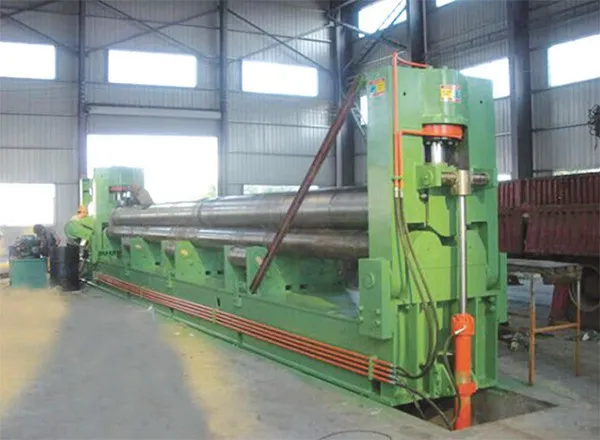

Now, let's talk about some of the equipment that can be used in conjunction with a plate rolling machine. For example, the Tank Shaped Roller Stand and the Tank Roller Rack can be very useful. These accessories help to support the plate during the rolling process, especially when dealing with longer or heavier plates. They can also improve the accuracy of the bend and reduce the risk of the plate slipping or getting damaged.
If you're in the market for a plate rolling machine, it's important to consider your specific needs. Think about the range of plate thicknesses you'll be working with and choose a machine that can handle them. A good machine should be able to adjust the rolling speed based on the plate thickness and material. It should also have safety features to prevent any accidents or damage.
As a supplier, I've seen firsthand how the right plate rolling machine can make a big difference in a business. Whether you're a small workshop or a large manufacturing plant, having a reliable machine that can handle different plate thicknesses efficiently is crucial. It can save you time, money, and headaches in the long run.
So, if you're interested in learning more about plate rolling machines or if you're looking to purchase one for your business, don't hesitate to reach out. We can help you find the right machine for your needs and provide you with all the support and advice you need. Whether you're rolling thin plates at high speeds or thick plates at a slower pace, we've got you covered.
In conclusion, the thickness of the plate has a major impact on the rolling speed of a plate rolling machine. Thinner plates allow for faster rolling speeds, while thicker plates require slower speeds to ensure a proper bend. By understanding this relationship and choosing the right equipment, you can improve the efficiency and quality of your plate rolling operations.
References
- "Plate Rolling Technology" - A technical guide on plate rolling processes and equipment.
- "Materials Science for Metalworking" - A book that covers the properties of different metals and how they affect manufacturing processes.


