

Hey there! As a supplier of container roof forming machines, I often get asked about the heat - dissipation system of these machines. It's a crucial part that ensures the smooth operation and longevity of the equipment. So, let's dive right in and explore what the heat - dissipation system of a container roof forming machine is like.
Why Heat Dissipation Matters
First off, why do we even need a heat - dissipation system? Well, container roof forming machines work hard. They're constantly bending, shaping, and cutting metal sheets to form the perfect container roofs. All this mechanical work generates a significant amount of heat. If this heat isn't dissipated properly, it can lead to all sorts of problems.
Excessive heat can cause the machine's components to expand. This expansion can lead to misalignments, which in turn can result in inaccurate forming of the container roofs. It can also damage the electrical components of the machine. Overheating electrical parts can malfunction or even short - circuit, which can be a safety hazard and costly to repair. So, a good heat - dissipation system is essential to keep the machine running efficiently and safely.
Components of the Heat - Dissipation System
Cooling Fans
One of the most common components in a heat - dissipation system is the cooling fan. These fans are usually placed near the motor and other heat - generating parts of the container roof forming machine. The fans work by blowing air over the hot components. As the air moves across the surface of these parts, it absorbs the heat and carries it away.
Think of it like when you're hot, and you use a fan to cool yourself down. The fan creates a breeze that helps evaporate the sweat on your skin, taking away the heat. In the same way, the cooling fans in the machine create an airflow that helps remove the heat from the components. Some machines have multiple fans, strategically placed to ensure that all the hot spots are covered.
Heat Sinks
Heat sinks are another important part of the heat - dissipation system. They're usually made of materials with high thermal conductivity, like aluminum or copper. Heat sinks are attached to the heat - generating components of the machine, such as the power transistors or the motor.
The way heat sinks work is by increasing the surface area of the component that is exposed to the air. The larger the surface area, the more heat can be transferred to the surrounding air. Heat sinks often have fins on them, which further increase the surface area. These fins act like little fingers that reach out into the air, grabbing the heat and releasing it.
Liquid Cooling Systems
In some high - performance container roof forming machines, liquid cooling systems are used. These systems work by circulating a coolant, usually water or a special coolant fluid, through pipes or channels near the heat - generating components. The coolant absorbs the heat from the components and then flows to a radiator, where the heat is transferred to the air.
Liquid cooling systems are more efficient than air - cooling systems because liquids can absorb more heat than air. They're also better at handling high - heat situations. However, they're more complex and expensive to install and maintain.
How the System Works Together
The heat - dissipation system of a container roof forming machine is a well - coordinated team. The cooling fans start to spin as soon as the machine is turned on. They create an airflow that helps cool down the components. At the same time, the heat sinks are already hard at work, absorbing the heat from the hot parts and transferring it to the air.
If the machine is equipped with a liquid cooling system, the coolant starts to circulate through the pipes. It picks up the heat from the components and then moves to the radiator, where the cooling fans blow air over it to release the heat. The coolant then returns to the components to pick up more heat, and the cycle continues.
Maintenance of the Heat - Dissipation System
Just like any other part of the container roof forming machine, the heat - dissipation system needs regular maintenance. The cooling fans should be checked regularly to make sure they're spinning freely and not making any strange noises. If a fan is not working properly, it should be replaced immediately.
The heat sinks should be cleaned periodically to remove any dust or debris that may have accumulated on them. Dust can insulate the heat sink, reducing its ability to transfer heat. A simple brush or compressed air can be used to clean the heat sinks.
For liquid cooling systems, the coolant level should be checked regularly, and the coolant should be replaced according to the manufacturer's recommendations. The radiator should also be inspected for any leaks or blockages.
Comparison with Other Forming Machines
It's interesting to compare the heat - dissipation system of container roof forming machines with other types of forming machines. For example, Tire Changing Machines also generate heat during operation. However, the heat - generating components and the amount of heat produced are different.
Tire changing machines mainly generate heat in the hydraulic systems and the motors. Their heat - dissipation systems are designed to handle the specific heat - generation patterns of these components. Similarly, Long Shaft Turning Roll and Wearing Edge Beam Platform have their own unique heat - dissipation requirements based on their functions and the components they use.
Conclusion
In conclusion, the heat - dissipation system of a container roof forming machine is a vital part of the overall equipment. It consists of components like cooling fans, heat sinks, and sometimes liquid cooling systems. These components work together to ensure that the machine stays cool and runs efficiently.
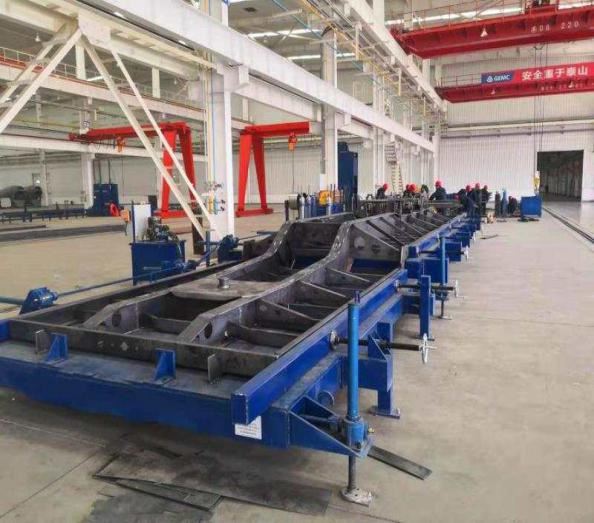

Regular maintenance of the heat - dissipation system is crucial to prevent overheating and costly breakdowns. If you're in the market for a container roof forming machine, make sure to pay attention to the heat - dissipation system. A well - designed and maintained heat - dissipation system can save you a lot of headaches in the long run.
If you're interested in learning more about our container roof forming machines or have any questions about the heat - dissipation system, feel free to reach out. We're always happy to help you make the right choice for your business. Let's start a conversation about your needs and see how our machines can fit into your production line.
References
- Manufacturer's manuals for container roof forming machines
- Industry research on heat - dissipation technologies in forming machines


