

As a trusted supplier of container roof forming machines, I often receive inquiries about the power consumption of these machines. Understanding the power consumption is crucial for businesses, as it directly impacts operational costs and overall efficiency. In this blog, I'll delve into the factors that influence the power consumption of a container roof forming machine, provide some typical consumption figures, and discuss ways to optimize energy use.
Factors Affecting Power Consumption
Machine Size and Capacity
Larger container roof forming machines with higher production capacities generally consume more power. These machines are equipped with more powerful motors and larger components to handle the increased workload. For example, a high - speed, large - scale machine designed to produce a large number of container roofs per hour will require more energy compared to a smaller, slower - paced machine.
Motor Efficiency
The efficiency of the motors used in the forming machine plays a significant role in power consumption. High - efficiency motors convert a greater percentage of electrical energy into mechanical energy, resulting in less wasted energy. Modern container roof forming machines often use energy - efficient motors that comply with international standards, such as IE3 (International Efficiency Class 3) motors, which can significantly reduce power consumption compared to older, less efficient models.
Production Speed
The speed at which the container roof forming machine operates also affects power consumption. Running the machine at a higher speed typically requires more power. However, it's important to note that increasing the production speed may also increase the overall productivity, so a balance needs to be struck between speed and energy consumption. For instance, if a business has a high demand for container roofs, running the machine at a slightly higher speed might be more cost - effective in the long run, despite the increased power consumption.
Material Thickness and Type
The thickness and type of the material used to form the container roofs can impact power consumption. Thicker materials require more force to shape, which means the machine's motors need to work harder and consume more energy. Similarly, some materials are more difficult to form than others. For example, high - strength steel alloys may require more power to bend and shape compared to mild steel.
Typical Power Consumption Figures
It's challenging to provide a one - size - fits - all power consumption figure for container roof forming machines, as it varies widely depending on the factors mentioned above. However, I can give you a rough estimate based on common industry standards.
A small - to - medium - sized container roof forming machine with a moderate production capacity (around 10 - 20 container roofs per hour) may consume between 10 - 20 kilowatts (kW) of power during normal operation. This type of machine is suitable for small - scale manufacturers or businesses with relatively low production demands.
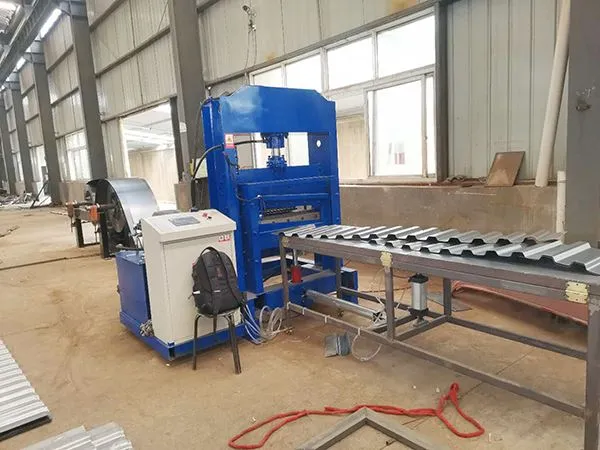
On the other hand, a large - scale, high - speed container roof forming machine capable of producing 50 or more container roofs per hour can consume anywhere from 30 - 50 kW or even more. These machines are typically used by large - scale manufacturers with high production volumes.
Ways to Optimize Power Consumption
Regular Maintenance
Regular maintenance of the container roof forming machine is essential for ensuring optimal energy efficiency. This includes lubricating moving parts, checking and tightening belts and chains, and inspecting the motors for any signs of wear or damage. A well - maintained machine operates more smoothly and requires less power to function.
Use of Energy - Saving Features
Many modern container roof forming machines come with energy - saving features. For example, some machines are equipped with variable frequency drives (VFDs) that can adjust the motor speed according to the workload. This allows the machine to consume less power during periods of low demand and increase power when needed. Other energy - saving features may include automatic shutdown functions that turn off the machine when it's not in use for a certain period.
Proper Scheduling
Proper production scheduling can also help reduce power consumption. By grouping similar production runs together, businesses can minimize the number of times the machine needs to be started and stopped. Starting and stopping a machine requires a significant amount of energy, so reducing these cycles can lead to energy savings.
Related Machines and Their Power Consumption
If you're interested in other types of forming machines, here are some related options and a brief mention of their power consumption characteristics:
- Automatic Molding Machine: Automatic molding machines are used for various molding processes. Their power consumption depends on factors such as the size of the mold, the complexity of the molding process, and the production speed. Generally, they can consume anywhere from a few kilowatts for small - scale machines to tens of kilowatts for large - scale industrial models.
- Vacuum Forming Machine: Vacuum forming machines use vacuum pressure to shape plastic sheets into various forms. The power consumption of these machines is mainly determined by the size of the heating elements and the vacuum pump. Small - sized vacuum forming machines may consume around 3 - 5 kW, while larger industrial machines can consume 10 kW or more.
- Corrugated Roll Forming Machine: Corrugated roll forming machines are used to produce corrugated sheets. Power consumption varies based on the machine's size, the thickness of the material being formed, and the production speed. Smaller machines may consume 5 - 10 kW, while larger, high - speed machines can consume 20 kW or more.
Conclusion
In conclusion, the power consumption of a container roof forming machine is influenced by multiple factors, including machine size, motor efficiency, production speed, and material characteristics. By understanding these factors, businesses can make informed decisions about the type of machine to purchase and how to operate it in an energy - efficient manner.
If you're in the market for a container roof forming machine or have any questions about power consumption and energy optimization, I encourage you to contact me for a detailed discussion. I can provide you with customized solutions based on your specific production requirements and help you find the most cost - effective and energy - efficient machine for your business.
References
- Industry reports on metal forming machine energy consumption
- Manufacturer's specifications for container roof forming machines


