

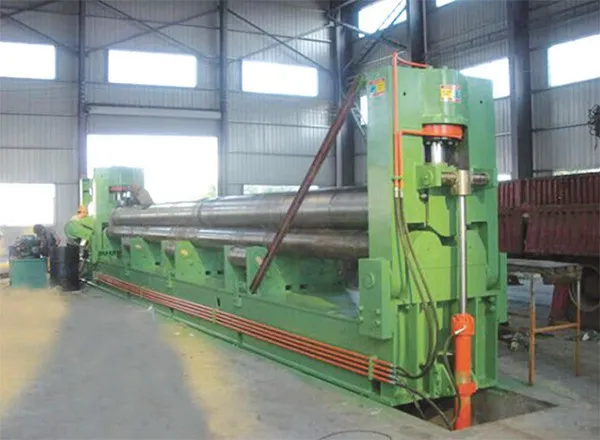
As a supplier of three-roller plate bending machines, I often encounter inquiries from customers about the power consumption of these machines. Understanding the power consumption of a three-roller plate bending machine is crucial for several reasons. It helps in estimating operational costs, ensuring that the electrical infrastructure can support the machine, and optimizing energy usage. In this blog post, I will delve into the factors that influence the power consumption of a three-roller plate bending machine and provide some insights on how to manage it effectively.
Factors Affecting Power Consumption
Machine Size and Capacity
One of the primary factors that determine the power consumption of a three-roller plate bending machine is its size and capacity. Larger machines with higher bending capacities typically require more power to operate. This is because they need to generate greater force to bend thicker and wider plates. For example, a machine designed to bend plates up to 50 mm thick will consume more power than one that can only handle plates up to 10 mm thick.
Material Type and Thickness
The type and thickness of the material being bent also have a significant impact on power consumption. Harder materials, such as stainless steel, require more force to bend compared to softer materials like aluminum. As a result, bending stainless steel plates will consume more power than bending aluminum plates of the same thickness. Additionally, thicker plates require more energy to deform, so the power consumption increases as the plate thickness increases.
Bending Radius
The bending radius specified for a particular job affects the power consumption of the machine. A smaller bending radius requires more force to achieve, which in turn increases the power demand. For instance, bending a plate to a tight radius of 50 mm will consume more power than bending it to a larger radius of 200 mm.
Operating Speed
The operating speed of the three-roller plate bending machine is another factor that influences power consumption. Faster operating speeds generally require more power, as the machine needs to move the rollers and the plate more quickly. However, it's important to note that increasing the speed may not always result in a proportional increase in power consumption, as there are other factors at play, such as the efficiency of the machine's drive system.
Machine Efficiency
The efficiency of the three-roller plate bending machine itself plays a crucial role in determining power consumption. A well-designed and maintained machine will operate more efficiently, using less power to achieve the same bending results. Factors that affect machine efficiency include the quality of the components, the lubrication of moving parts, and the alignment of the rollers.
Calculating Power Consumption
Calculating the exact power consumption of a three-roller plate bending machine can be complex, as it depends on multiple variables. However, a rough estimate can be made based on the machine's rated power and the operating conditions. The rated power of the machine is usually specified by the manufacturer and represents the maximum power the machine can consume under full load.
To estimate the power consumption during a specific bending operation, you can use the following formula:
Power Consumption (kW) = Rated Power (kW) x Load Factor
The load factor represents the percentage of the rated power that the machine is actually using during the operation. It can vary depending on the factors mentioned above, such as material type, thickness, bending radius, and operating speed. A typical load factor for a three-roller plate bending machine ranges from 0.5 to 0.8, meaning that the machine is using 50% to 80% of its rated power.
For example, if a three-roller plate bending machine has a rated power of 20 kW and the load factor is estimated to be 0.6, the power consumption during the operation would be:

Power Consumption = 20 kW x 0.6 = 12 kW
It's important to note that this is just a rough estimate, and the actual power consumption may vary depending on the specific conditions of the bending operation.
Managing Power Consumption
As a supplier of three-roller plate bending machines, I understand the importance of helping our customers manage their power consumption effectively. Here are some tips to reduce power consumption and optimize the operation of your three-roller plate bending machine:
Choose the Right Machine
Selecting a three-roller plate bending machine that is appropriately sized for your specific needs is crucial. Avoid using an oversized machine for small jobs, as this will result in unnecessary power consumption. Consider the material types, thicknesses, and bending radii that you typically work with when choosing a machine.
Optimize Bending Parameters
Adjusting the bending parameters, such as the bending speed and the number of passes, can help reduce power consumption. Slowing down the operating speed slightly may reduce the power demand without significantly affecting the productivity. Additionally, using multiple passes to achieve the desired bending radius can reduce the force required in each pass, resulting in lower power consumption.
Maintain the Machine Regularly
Regular maintenance of the three-roller plate bending machine is essential to ensure its efficient operation. This includes lubricating the moving parts, checking the alignment of the rollers, and replacing worn-out components. A well-maintained machine will operate more smoothly and consume less power.
Use Energy-Efficient Components
When purchasing a three-roller plate bending machine, look for models that are equipped with energy-efficient components, such as high-efficiency motors and variable frequency drives. These components can help reduce power consumption by adjusting the motor speed according to the load requirements.
Our Product Range
At our company, we offer a wide range of three-roller plate bending machines to meet the diverse needs of our customers. Our product range includes the 8 Power Roller Rack, which is designed for high-capacity bending operations, the Cnc Plate Rolling Machine, which offers precise control and automation, and the Stainless Steel Plate Rolling Machine, which is specifically designed for bending stainless steel plates.
All of our machines are engineered to be energy-efficient, helping our customers reduce their operational costs while maintaining high productivity. We also provide comprehensive after-sales support, including installation, training, and maintenance services, to ensure that our customers get the most out of their three-roller plate bending machines.
Contact Us for Purchasing and Consultation
If you are interested in learning more about our three-roller plate bending machines or have any questions about power consumption, please feel free to contact us. Our team of experts is ready to assist you in choosing the right machine for your needs and providing you with detailed information on power consumption and energy management. We look forward to the opportunity to work with you and help you achieve your bending goals.
References
- Manufacturer's specifications and technical manuals for three-roller plate bending machines.
- Industry standards and guidelines for power consumption in metalworking equipment.
- Research papers and articles on energy efficiency in manufacturing processes.


