

As a seasoned provider of flat plate turning machines, I've witnessed firsthand the transformative power of advanced tooling systems in maximizing the efficiency and precision of these remarkable pieces of equipment. Today, I'm excited to delve into the world of flat plate turning machine tooling systems, exploring their key components, functions, and how they contribute to the overall performance of the machine.
At its core, the tooling system of a flat plate turning machine is a complex assembly of cutting tools, fixtures, and clamping devices designed to shape and manipulate flat plates with exceptional accuracy and repeatability. These systems are carefully engineered to meet the specific requirements of different machining operations, including turning, facing, boring, and threading, ensuring that each plate is processed to the highest standards of quality.
One of the primary components of a flat plate turning machine tooling system is the cutting tool. These tools come in a variety of shapes and sizes, each designed for a specific machining operation. For example, turning tools are used to remove material from the outer diameter of a flat plate, while facing tools are used to create a smooth, flat surface on the end of the plate. Boring tools, on the other hand, are used to enlarge existing holes or create new ones, and threading tools are used to cut threads on the inner or outer diameter of the plate.
The choice of cutting tool depends on several factors, including the material being machined, the desired surface finish, and the machining parameters such as cutting speed, feed rate, and depth of cut. High-speed steel (HSS) and carbide are two common materials used for cutting tools, each offering unique advantages in terms of hardness, wear resistance, and cutting performance.
In addition to cutting tools, the tooling system of a flat plate turning machine also includes fixtures and clamping devices. These components are used to hold the flat plate securely in place during machining, ensuring that it remains stable and does not move or vibrate. Fixtures can be custom-designed to fit the specific shape and size of the plate, while clamping devices such as vises, clamps, and chucks are used to apply the necessary force to hold the plate in place.
The use of fixtures and clamping devices is essential for achieving accurate and consistent results in flat plate turning. By holding the plate securely, these components help to minimize the risk of errors and defects, such as dimensional inaccuracies, surface roughness, and uneven cutting. They also help to improve productivity by reducing the time and effort required to set up and adjust the machine for each machining operation.
Another important aspect of the tooling system of a flat plate turning machine is the tool holder. The tool holder is used to hold the cutting tool in place and provide a stable platform for machining. It is designed to ensure that the cutting tool is properly aligned with the workpiece and that it can be easily adjusted and replaced as needed.
There are several types of tool holders available, each designed for a specific type of cutting tool and machining operation. Some common types of tool holders include boring bars, turning tool holders, and threading tool holders. These tool holders are typically made of high-strength materials such as steel or carbide, and they are designed to withstand the high forces and stresses generated during machining.
In modern flat plate turning machines, the tooling system is often automated and controlled by a computer numerical control (CNC) system. A CNC system allows the operator to program the machine to perform a variety of machining operations automatically, using pre-defined instructions and parameters. This not only improves the accuracy and repeatability of the machining process but also increases productivity by reducing the need for manual intervention.
The CNC system can also be used to monitor and control the cutting process in real-time, adjusting the cutting parameters as needed to ensure optimal performance. For example, the system can automatically adjust the cutting speed and feed rate based on the material being machined, the type of cutting tool being used, and the desired surface finish. This helps to prevent tool wear and breakage, as well as to improve the quality and consistency of the machined parts.
As a leading provider of flat plate turning machines, we understand the importance of a high-quality tooling system in achieving optimal performance and productivity. That's why we offer a wide range of tooling options for our machines, including cutting tools, fixtures, clamping devices, and tool holders. Our tooling solutions are designed to meet the specific needs of our customers, providing them with the flexibility and precision they need to achieve their machining goals.
If you're in the market for a flat plate turning machine or need to upgrade your existing tooling system, we invite you to explore our product offerings. Our team of experts is available to provide you with personalized advice and support, helping you to select the right tooling solutions for your specific application.
In addition to our standard tooling options, we also offer custom tooling solutions for customers with unique or specialized requirements. Our experienced engineers and designers can work with you to develop custom cutting tools, fixtures, and clamping devices that are tailored to your specific needs and specifications. This ensures that you have the right tools for the job, enabling you to achieve the highest levels of accuracy and productivity.

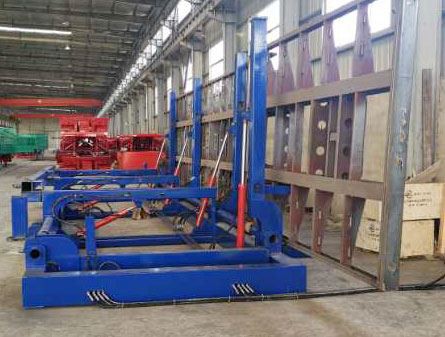
At our company, we are committed to providing our customers with the highest quality products and services. That's why we use only the latest and most advanced manufacturing technologies and processes to produce our flat plate turning machines and tooling systems. We also offer comprehensive training and support services to ensure that our customers are able to operate and maintain their machines effectively and efficiently.
If you're interested in learning more about our flat plate turning machines and tooling systems, or if you have any questions or concerns, please don't hesitate to contact us. Our team of experts is available to answer your questions and provide you with the information you need to make an informed decision. We look forward to the opportunity to work with you and help you achieve your machining goals.
In conclusion, the tooling system of a flat plate turning machine is a critical component that plays a vital role in determining the performance, accuracy, and productivity of the machine. By understanding the key components and functions of the tooling system, as well as the importance of choosing the right tools and fixtures, you can ensure that your flat plate turning machine operates at its best and delivers the high-quality results you need.
Whether you're a small job shop or a large manufacturing facility, investing in a high-quality tooling system for your flat plate turning machine is essential for maximizing your productivity and profitability. So, if you're ready to take your machining operations to the next level, contact us today to learn more about our flat plate turning machines and tooling solutions.
[Contact us for more information and to discuss your specific requirements. We're eager to assist you in finding the perfect flat plate turning machine and tooling system for your business.]
References
- "Machining Handbook" by the Society of Manufacturing Engineers
- "CNC Programming Handbook" by Dan Ariaratnam
- Various industry publications and technical manuals on flat plate turning machines and tooling systems


