

Hey there! As a supplier of beam straightening machines, I often get asked about how to calibrate these machines. Calibration is super important to ensure that your beam straightening machine works accurately and efficiently. Let's dive into the step - by - step process of how to calibrate a beam straightening machine.
Pre - calibration Checks
Before we start the actual calibration, we need to do some pre - calibration checks. First off, make sure the machine is clean. Any dirt, debris, or old metal shavings can mess up the calibration process. Give it a good wipe down, and use compressed air to blow out any hard - to - reach areas.
Next, check all the components for damage. Look at the rollers, hydraulic cylinders, and any other moving parts. If something is broken or worn out, it won't give you good calibration results. Replace any damaged components before proceeding.
Also, power on the machine and let it run for a few minutes. This warms up the hydraulic system and other parts, ensuring they're operating under normal conditions during calibration.
Step 1: Initial Machine Setup
Once you've done the pre - checks, it's time to set up the machine. First, position the beam straightening machine on a flat and stable surface. An uneven surface can lead to inaccurate calibration and can also put unnecessary stress on the machine.
Then, power on the machine and access the control panel. On the control panel, there are usually buttons for different functions. Set the machine to the "calibration mode". Some machines may require you to enter a specific code to access this mode. If you're not sure how to do it, refer to the machine's user manual.
Step 2: Measuring the Beam
Now, we need to measure the beam that we'll use for calibration. Use a high - quality measuring tape or a laser measuring device. Measure the length, width, and thickness of the beam at multiple points. This helps us get an accurate understanding of the beam's dimensions.
Record these measurements clearly. You'll need them later to compare with the readings from the machine. Make sure your measuring tools are calibrated correctly as well. If your tool is off, your calibration will be off too.
Step 3: Adjusting the Rollers
The rollers are a crucial part of the beam straightening machine. They're responsible for applying pressure to the beam to straighten it. Start by checking the alignment of the rollers. Use a straightedge to see if they're in a perfect line.
If the rollers are misaligned, use the adjustment knobs on the machine to realign them. Turn the knobs slowly and carefully, and keep checking the alignment until it's correct. This may take a few tries, but it's worth getting it right.
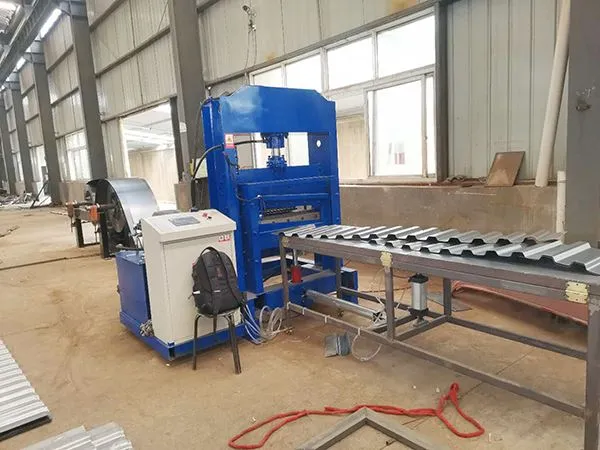
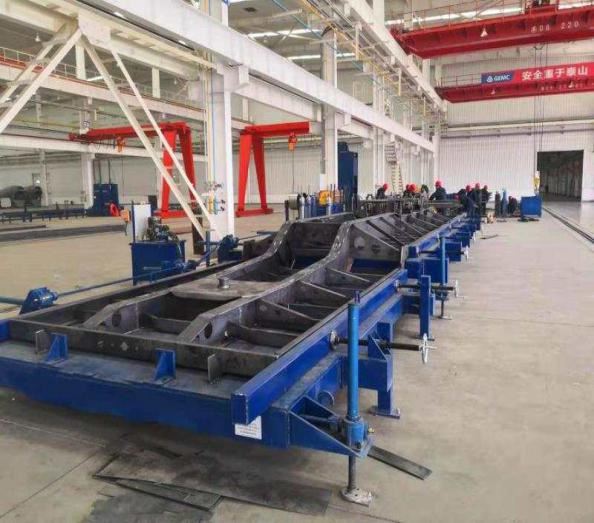
Remember, the gap between the rollers also affects the straightening process. You may need to adjust this gap based on the thickness of the beam you measured earlier. On the control panel, there are usually settings to adjust the roller gap. Increase or decrease the gap as needed until it matches the beam's thickness.
Step 4: Pressure Calibration
Pressure calibration is all about making sure the machine applies the right amount of pressure to the beam. On the control panel, find the pressure settings. Set the pressure to a low initial value. You can start with around 20% of the maximum pressure the machine can handle.
Place the beam between the rollers and start the straightening process. Observe how the beam reacts. If it doesn't straighten at all, you may need to increase the pressure slightly. If the beam is being bent too much or if there are signs of excessive force, like cracks or dents, reduce the pressure.
Repeat this process several times, adjusting the pressure little by little until the beam is straightened correctly. Make sure to record the pressure settings that work best for different beam materials and thicknesses. This will save you time in future straightening jobs.
Step 5: Verification and Fine - Tuning
After making the initial adjustments, it's time to verify the calibration. Measure the straightness of the beam again using the same measuring tools as before. Compare the new measurements with the original ones.
If the beam is still not straight enough, go back and make some fine - tuning adjustments. You may need to readjust the rollers or the pressure settings. Keep repeating this process until the beam meets your desired level of straightness.
Step 6: Final Checks
Once you're satisfied with the calibration, do some final checks. Run the machine a few more times with different beams to make sure the calibration holds up. Check for any unusual noises or vibrations during operation.
Also, review your calibration settings and records to make sure everything is in order. If you notice any issues, go back and repeat the appropriate calibration steps.
Why Calibration Matters
You might be wondering why all this calibration fuss is necessary. Well, a well - calibrated beam straightening machine not only gives you accurate and high - quality results but also extends the lifespan of the machine. When the machine is calibrated correctly, it doesn't need to work as hard, which reduces wear and tear on its components.
Moreover, using a calibrated machine can help you save costs in the long run. You'll waste less material because you won't be over - or under - straightening the beams. And you'll also have fewer maintenance issues, which means less downtime for your operations.
Other Related Machines
If you're into metal shaping and straightening, you might also be interested in other machines we offer. For example, our Vacuum Forming Machine is great for creating custom - shaped plastic parts. It uses suction to form plastic sheets over a mold.
Another cool machine is the Container Side Panel Pressing Machine. This machine is designed to press container side panels with precision, ensuring they fit perfectly.
And if you're looking for a platform to support your beams during the straightening process, our Wearing Edge Beam Platform is a great option. It's built to withstand heavy use and provides a stable base for your work.
Ready to Upgrade Your Equipment?
If you're in the market for a new beam straightening machine or need help with calibration services, we're here to assist. Our team of experts has years of experience in the field and can guide you through the entire process. Whether you're a small workshop or a large industrial facility, we have the right solution for you. Reach out to us to discuss your requirements and get a custom - tailored quote. We're committed to providing you with the best equipment and support in the industry.
References
- Beam Straightening Machine User Manuals (Provided by Manufacturer)
- Metalworking Industry Standards and Best Practices Guides
- Expert Interviews in the Metal Fabrication Field


