

Hey there! As a cutting machine supplier, I know how important it is to keep your cutting machine in top - notch condition. A well - maintained cutting machine not only ensures better performance but also extends its lifespan. So, let's dive into how to clean a cutting machine step by step.
Pre - cleaning Preparations
Before you start cleaning your cutting machine, safety first! Make sure the machine is completely turned off and unplugged from the power source. This will prevent any accidental start - ups that could lead to injuries. Also, wear appropriate safety gear like gloves and safety glasses. Cutting machines can have sharp edges and debris that might fly around during the cleaning process.
Cleaning the Exterior
The exterior of the cutting machine is the first thing you'll notice, and it's also exposed to dust, dirt, and grime. Start by using a dry, soft cloth to wipe down the entire outer surface of the machine. This will remove any loose dust particles. If there are stubborn stains, you can dampen the cloth slightly with a mild cleaning solution. Avoid using abrasive cleaners or harsh chemicals as they can damage the machine's finish.
For areas with more dirt, like the corners and edges, you can use a small brush with soft bristles. Just gently brush away the dirt. This is especially important for machines that are used in industrial environments where there's a lot of dust and debris in the air.
Cleaning the Cutting Area
The cutting area is the heart of the machine, and it needs special attention. First, remove any leftover materials from the cutting bed. If it's a laser cutting machine, there might be small pieces of burnt material that need to be carefully taken out. You can use tweezers for this task.
Next, clean the cutting blades or laser heads. For blade - based cutting machines, use a blade cleaner. Apply the cleaner according to the manufacturer's instructions. It will help remove any built - up residue on the blades, which can affect the cutting quality.
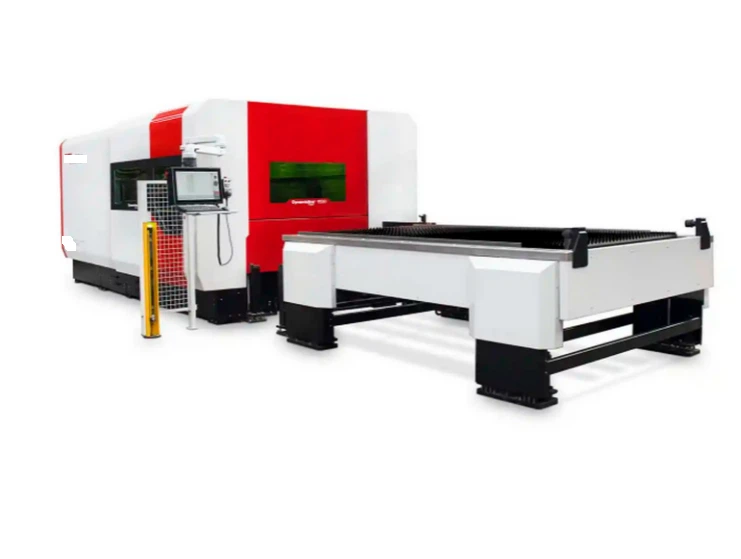
If you have a [Fully Automatic Laser Cutting Machine]( /intelligent - welding - and - cutting - equipment/cutting - machine/fully - automatic - laser - cutting - machine - factory.html), cleaning the laser head is a bit more delicate. Use a clean, lint - free cloth slightly dampened with a laser - safe cleaning solution. Gently wipe the lens of the laser head to remove any dust or debris. Make sure not to touch the lens with your fingers as the oils from your skin can damage it.

Cleaning the Filters
Most cutting machines have filters to prevent dust and debris from entering the internal components. These filters need to be cleaned regularly. Check the machine's manual to locate the filters. Usually, they can be easily removed.
For some filters, you can simply tap them gently to remove the loose dust. For others, you might need to wash them with water. If you're washing the filter, make sure it's completely dry before reinstalling it. A wet filter can cause problems with the machine's ventilation system.
Cleaning the Electrical Components
The electrical components of the cutting machine should be cleaned with extra care. Use a can of compressed air to blow away any dust from the electrical connectors, circuit boards, and fans. This will help prevent overheating and electrical malfunctions.
However, be very careful not to get the electrical components wet. If there are any signs of corrosion on the connectors, you can use a contact cleaner. Apply it sparingly and follow the product's instructions.
Lubrication
After cleaning, it's a good idea to lubricate the moving parts of the cutting machine. Check the machine's manual to see which parts need lubrication and what type of lubricant to use. Using the wrong lubricant can damage the machine.
Apply the lubricant in small amounts to the appropriate areas. This will reduce friction and ensure smooth operation of the machine.
Post - cleaning Checks
Once you've finished cleaning and lubricating the machine, it's time to do a final check. Reassemble any parts that you removed during the cleaning process. Make sure everything is properly tightened and in place.
Then, plug in the machine and turn it on. Listen for any unusual noises or vibrations. Check if the cutting function is working properly. If you notice any problems, it might be a sign that something wasn't cleaned or reassembled correctly.
Different Types of Cutting Machines
We offer a variety of cutting machines, each with its own cleaning requirements. For example, our [Fully Automatic Cutting Machine]( /intelligent - welding - and - cutting - equipment/cutting - machine/fully - automatic - cutting - machine.html) is a high - performance machine that requires regular and thorough cleaning. Its automated features mean that any dirt or debris can disrupt its smooth operation.
The [Planar Laser Cutting Machine]( /intelligent - welding - and - cutting - equipment/cutting - machine/planar - laser - cutting - machine.html) is another great option. Its laser technology makes it very precise, but it also means that the laser components need to be kept extremely clean for optimal performance.
Importance of Regular Cleaning
Regular cleaning of your cutting machine is not just about keeping it looking good. It has a direct impact on the quality of your cuts. A dirty machine can cause uneven cuts, rough edges, and even damage to the materials you're cutting.
Moreover, a well - cleaned machine is less likely to break down. It reduces the wear and tear on the components, which means you'll save money on repairs and replacements in the long run.
Conclusion
Cleaning your cutting machine is an essential part of its maintenance. By following these steps, you can ensure that your machine stays in great condition and provides you with high - quality cuts for years to come.
If you're in the market for a new cutting machine or have any questions about the cleaning process, don't hesitate to reach out. We're here to help you make the best choice for your business. Whether you need a fully automatic machine or a planar laser cutting machine, we've got you covered. Contact us to start a purchase negotiation and take your cutting operations to the next level.
References
- Manufacturer's manuals for cutting machines
- Industry best practices for cutting machine maintenance


