

As a provider of planar laser cutting machines, ensuring high cutting accuracy during long - term operation is crucial for both our customers and our brand reputation. In this blog, I will share some effective methods to improve the cutting accuracy of planar laser cutting machines over extended periods of use.
1. Machine Installation and Environment
Proper installation is the first step towards achieving high - precision cutting. The machine should be installed on a stable and level foundation. Any vibrations or unevenness in the installation surface can lead to fluctuations in the cutting path, thereby reducing accuracy. Before installation, a detailed site survey should be conducted to ensure that the floor can support the weight of the machine and withstand the dynamic forces generated during operation.
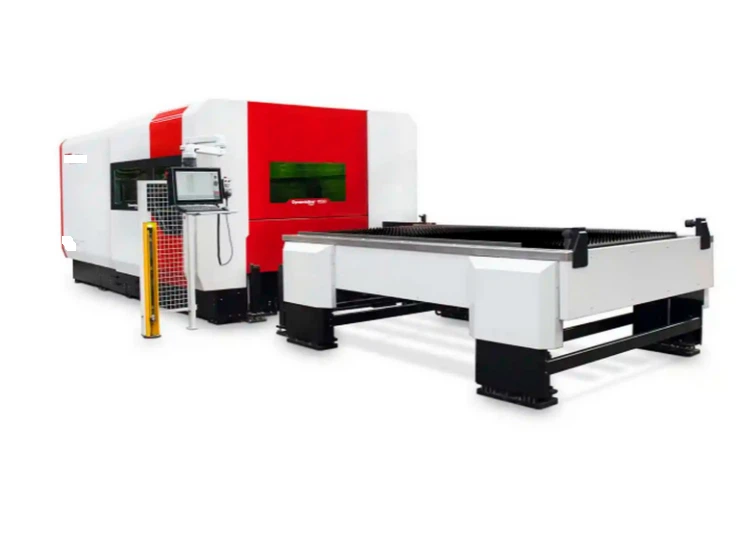

The working environment also has a significant impact on cutting accuracy. Temperature and humidity changes can cause thermal expansion or contraction of machine components, affecting the relative position of the laser head and the workpiece. Ideally, the workshop should be maintained at a constant temperature (around 20 - 25°C) and humidity (40 - 60%). Additionally, the workshop should be free from dust, as dust particles can accumulate on the optical components of the laser system, such as lenses and mirrors, causing light scattering and reducing the power and focus of the laser beam.
2. Regular Maintenance of Machine Components
-
Optical Components: The optical components of a planar laser cutting machine, including lenses and mirrors, play a vital role in focusing and directing the laser beam. Over time, these components can become dirty or damaged, which will directly affect the quality and accuracy of the laser cutting. Regular cleaning and inspection of optical components are necessary. Use special cleaning agents and soft, lint - free cloths to clean the lenses and mirrors. Check for any signs of scratches, cracks, or coatings peeling off. Replace damaged components promptly to ensure optimal laser performance.
-
Guide Rails and Ball Screws: Guide rails and ball screws are responsible for the precise movement of the cutting head. They are subject to wear and tear during long - term operation. Lubrication is essential to reduce friction and prevent premature wear. Use high - quality lubricants recommended by the machine manufacturer and follow the specified lubrication intervals. Regularly check the alignment of guide rails and the pre - tension of ball screws. Any misalignment or improper pre - tension can lead to inaccurate movement of the cutting head.
-
Laser Generator: The laser generator is the heart of the laser cutting machine. It needs to be maintained according to the manufacturer's instructions. Monitor the output power of the laser generator regularly. A decrease in power can result in incomplete cutting or poor cutting quality. Check the cooling system of the laser generator to ensure that it is working efficiently. Overheating can damage the laser tube and other internal components.
3. Optimization of Cutting Parameters
- Laser Power and Pulse Frequency: The choice of laser power and pulse frequency depends on the material and thickness of the workpiece. For thicker materials, higher laser power is usually required to penetrate the material. However, excessive power can cause over - melting and rough edges. Adjust the pulse frequency to control the energy distribution of the laser beam. A proper combination of power and pulse frequency can achieve a clean and accurate cut.
- Cutting Speed: Cutting speed is another critical parameter. If the cutting speed is too fast, the laser beam may not have enough time to fully melt the material, resulting in incomplete cutting. On the other hand, if the cutting speed is too slow, it can cause excessive heat input, leading to deformation of the workpiece and a decrease in cutting accuracy. Experiment with different cutting speeds for different materials and thicknesses to find the optimal speed for high - precision cutting.
- Gas Pressure: Assist gases, such as oxygen, nitrogen, or compressed air, are used in laser cutting to blow away the molten material and prevent oxidation. The gas pressure should be adjusted according to the material and cutting requirements. Insufficient gas pressure may not be able to remove the molten material effectively, while excessive gas pressure can cause the material to splash and affect the cutting accuracy.
4. Software and Programming
- CAD/CAM Software: High - quality CAD/CAM software is essential for accurate cutting. The software should be able to convert the design drawings into precise cutting paths. It should support features such as nesting, which can optimize the layout of workpieces on the material sheet, reducing waste and improving cutting efficiency. Update the software regularly to take advantage of the latest features and bug fixes.
- Programming Accuracy: When programming the cutting path, pay attention to the details. Set the correct start and end points, as well as the appropriate lead - in and lead - out distances. These small details can have a significant impact on the final cutting accuracy. Use simulation functions in the software to preview the cutting process and detect any potential errors before actual cutting.
5. Operator Training
Well - trained operators are key to maintaining high cutting accuracy. Provide comprehensive training to operators on the operation, maintenance, and troubleshooting of the planar laser cutting machine. Operators should understand the principles of laser cutting, the functions of different machine components, and the importance of following proper operating procedures. They should be able to identify and address common problems, such as misaligned cutting paths, abnormal laser power, or issues with the cooling system.
Regularly organize refresher training courses to keep operators updated on the latest techniques and best practices in laser cutting. Encourage operators to share their experiences and problems, which can help improve the overall cutting quality of the workshop.
6. Use of Advanced Technologies
- Auto - Focus Systems: Auto - focus systems can automatically adjust the focus of the laser beam according to the thickness and surface conditions of the workpiece. This technology eliminates the need for manual focus adjustment, which is prone to human error. It ensures that the laser beam is always focused at the optimal position, resulting in more consistent and accurate cutting.
- Real - Time Monitoring Systems: Install real - time monitoring systems on the planar laser cutting machine to continuously monitor key parameters such as laser power, cutting speed, and temperature. These systems can detect any abnormal changes in the cutting process and send alerts to the operators. By taking timely corrective actions, the cutting accuracy can be maintained.
Conclusion
Improving the cutting accuracy of a planar laser cutting machine in long - term operation requires a comprehensive approach that includes proper installation, regular maintenance, optimization of cutting parameters, software programming, operator training, and the use of advanced technologies. As a supplier of planar laser cutting machines, we are committed to providing our customers with high - quality machines and technical support to help them achieve the best cutting results.
If you are interested in our Fully Automatic Laser Cutting Machine, Fully Automatic Cutting Machine, or Fully Automatic Laser Cutting Machine, and would like to discuss your specific requirements, please feel free to contact us for procurement and negotiation.
References
- Laser Cutting Technology Handbook, Publisher: XYZ Publishing
- Journal of Laser Applications in Manufacturing, Various issues
- Manufacturer's Manuals for Planar Laser Cutting Machines


