

Yo, folks! As a supplier of edge spinning machines, I've seen my fair share of issues when it comes to workpiece deformation during the edge spinning process. It's a real pain in the neck, but don't worry – I've got some tips and tricks up my sleeve to help you prevent it.
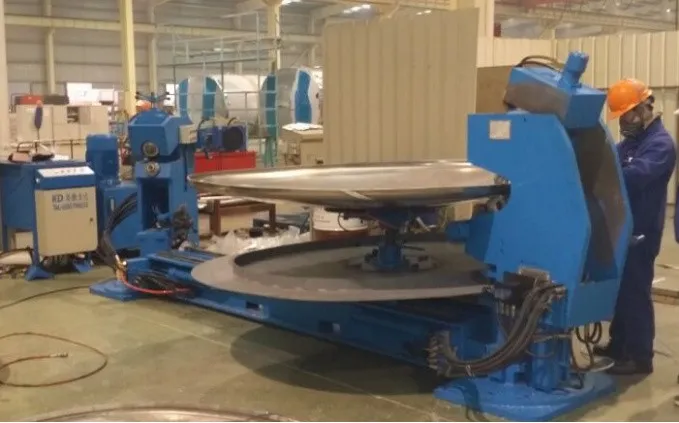
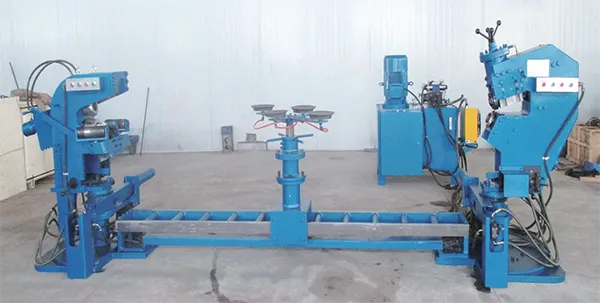
First off, let's talk about what causes workpiece deformation in the first place. There are a few factors at play here. One of the main culprits is improper clamping. If the workpiece isn't held securely in place during the spinning process, it can shift and warp, leading to deformation. Another common cause is excessive force. If the spinning tool applies too much pressure to the workpiece, it can cause it to bend or stretch out of shape. And finally, uneven material thickness can also contribute to deformation. If the workpiece has areas that are thicker or thinner than others, it can cause uneven stress distribution during the spinning process, leading to warping.
So, how can you prevent workpiece deformation during the edge spinning process? Well, the first step is to make sure you're using the right clamping method. There are a few different types of clamps you can use, depending on the shape and size of your workpiece. For example, if you're working with a round workpiece, you might want to use a chuck to hold it in place. If you're working with a flat workpiece, you might want to use a vise or a clamp to secure it to the spinning table. Whatever clamping method you choose, make sure it's tight enough to hold the workpiece securely in place, but not so tight that it damages the material.
Another important factor to consider is the force applied by the spinning tool. You want to make sure you're using the right amount of force to spin the workpiece without causing it to deform. This can be a bit tricky, as the amount of force you need will depend on a few different factors, such as the material of the workpiece, the thickness of the material, and the size and shape of the workpiece. As a general rule of thumb, you want to start with a low amount of force and gradually increase it as needed. You can also use a force gauge to measure the amount of force being applied by the spinning tool and make adjustments as necessary.
In addition to using the right clamping method and force, you also want to make sure you're using the right spinning tool. There are a few different types of spinning tools you can use, depending on the shape and size of your workpiece. For example, if you're working with a round workpiece, you might want to use a roller to spin it. If you're working with a flat workpiece, you might want to use a cutter or a grinder to shape it. Whatever spinning tool you choose, make sure it's the right size and shape for your workpiece and that it's in good condition.
Another important factor to consider is the speed of the spinning tool. You want to make sure you're using the right speed to spin the workpiece without causing it to deform. This can be a bit tricky, as the speed you need will depend on a few different factors, such as the material of the workpiece, the thickness of the material, and the size and shape of the workpiece. As a general rule of thumb, you want to start with a low speed and gradually increase it as needed. You can also use a speed controller to adjust the speed of the spinning tool and make sure it's running at the right speed for your workpiece.
Finally, you want to make sure you're using the right lubricant during the edge spinning process. Lubricants can help reduce friction between the spinning tool and the workpiece, which can help prevent deformation. There are a few different types of lubricants you can use, depending on the material of the workpiece and the type of spinning tool you're using. For example, if you're working with a metal workpiece, you might want to use a cutting oil or a lubricant spray. If you're working with a plastic workpiece, you might want to use a silicone lubricant or a wax-based lubricant. Whatever lubricant you choose, make sure it's compatible with the material of the workpiece and the type of spinning tool you're using.
Now that you know how to prevent workpiece deformation during the edge spinning process, let's talk about some of the different types of edge spinning machines we offer. We've got a wide range of edge spinning machines to choose from, including Aluminum Can Truck Head Cutting and Rotating Machine, Modelless Head Sealing Machine, and Head Spinning Machine. Each of these machines is designed to handle different types of workpieces and applications, so you're sure to find the right one for your needs.
If you're interested in learning more about our edge spinning machines or if you have any questions about preventing workpiece deformation during the edge spinning process, please don't hesitate to contact us. We're here to help you find the right solution for your needs and to make sure you get the most out of your edge spinning machine. So, what are you waiting for? Give us a call or send us an email today and let's start talking about how we can help you prevent workpiece deformation during the edge spinning process.
References
- Smith, J. (2018). Edge Spinning Technology: Principles and Applications. Springer.
- Johnson, M. (2019). Preventing Workpiece Deformation in Metal Forming Processes. Journal of Manufacturing Science and Engineering, 141(3), 031002.
- Brown, A. (2020). The Role of Lubrication in Edge Spinning Processes. Tribology International, 142, 106034.


