Hey there! As a supplier of automatic welding machines, I've seen firsthand how crucial proper maintenance is to keep these bad boys running smoothly. In this blog, I'm gonna break down what the maintenance of automatic welding machines is like, sharing some tips and insights from my years in the biz.
Why Maintenance Matters
Let's start with why maintenance is such a big deal. Automatic welding machines are complex pieces of equipment. They've got lots of moving parts, high - tech components, and they operate under some pretty tough conditions. If you don't take care of them, you're looking at a whole heap of problems.
First off, regular maintenance helps prevent breakdowns. A machine that breaks down in the middle of a project can cost you a fortune in lost time and production. It can also mess up your deadlines and make your customers unhappy. Secondly, proper maintenance extends the lifespan of your machine. You've invested a lot of money in these machines, so it makes sense to take care of them and get the most out of your investment. And finally, well - maintained machines produce better quality welds. This means fewer rejects and higher customer satisfaction.

Daily Maintenance Checks
Every day before you fire up your automatic welding machine, there are a few things you should check.
Power Supply: First, make sure the power supply is stable. Check the electrical connections to ensure there are no loose wires or signs of damage. A bad electrical connection can cause all sorts of problems, from inconsistent welding to even damaging the machine's internal components.
Gas Supply: If your machine uses shielding gas, check the gas cylinder. Make sure there's enough gas for the day's work. Also, inspect the gas hoses for any leaks. You can use a simple soapy water solution to check for bubbles at the connections. A gas leak not only wastes gas but can also affect the quality of your welds.
Welding Torch: Take a look at the welding torch. Make sure the nozzle is clean and free of spatter. Spatter can build up over time and block the gas flow, which can lead to porosity in the welds. You can use a wire brush to clean the nozzle if needed. Also, check the contact tip. If it's worn out, it can cause poor electrical contact and inconsistent arc performance.
Wire Feeder: The wire feeder is an important part of the machine. Check the wire spool to make sure the wire is feeding smoothly. Look for any signs of kinking or tangling in the wire. Also, check the tension of the wire feed rollers. If the tension is too tight or too loose, it can cause problems with the wire feeding speed.
Weekly Maintenance Tasks
Once a week, you should do a more in - depth check of your automatic welding machine.
Clean the Machine: Use a clean, dry cloth to wipe down the exterior of the machine. This helps remove dust, dirt, and spatter. You can also use compressed air to blow out any dust from the ventilation openings. Make sure the machine is turned off and unplugged before you do this.
Inspect the Cooling System: If your machine has a cooling system, check the coolant level. If it's low, top it up according to the manufacturer's instructions. Also, check the hoses and connections for any leaks. A malfunctioning cooling system can cause the machine to overheat, which can damage the internal components.
Check the Drive Motors: The drive motors in the machine are responsible for moving the welding torch and other parts. Inspect them for any signs of wear or damage. Listen for any unusual noises when the machine is running. If you hear anything strange, it could be a sign that the motor needs to be serviced.
Monthly Maintenance
On a monthly basis, there are some additional maintenance tasks you should perform.
Calibration: It's important to calibrate your automatic welding machine regularly. This ensures that the machine is operating at the correct settings and producing consistent welds. You can use calibration tools provided by the manufacturer or hire a professional to do it for you.
Lubrication: Some parts of the machine, such as the moving joints and bearings, need to be lubricated. Use the lubricant recommended by the manufacturer and apply it according to the instructions. This helps reduce friction and wear on the parts.
Software Update: If your machine has software, check for any available updates. Software updates can improve the performance of the machine, fix bugs, and add new features. Make sure to follow the manufacturer's instructions when updating the software.
Specific Machines and Their Maintenance
Let's talk about some specific types of automatic welding machines and their unique maintenance requirements.
Longitudinal Beam Laser Tracking Automatic Welding Machine: The Longitudinal Beam Laser Tracking Automatic Welding Machine is a high - tech machine that uses laser tracking technology. The laser system needs to be kept clean and properly aligned. Dust or debris on the laser lens can affect the accuracy of the tracking. You should also check the laser power output regularly to ensure it's within the specified range.
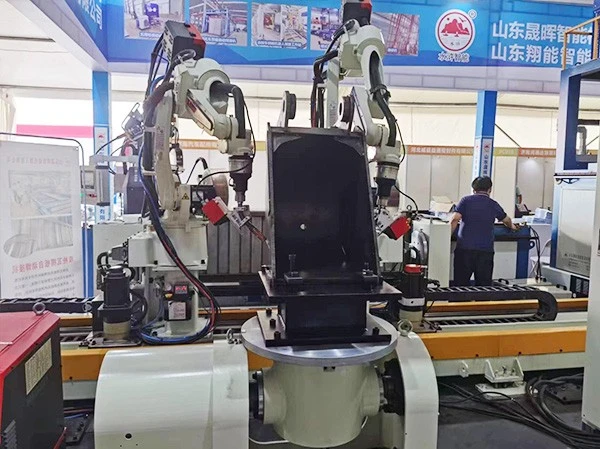
Robot Automatic Welding Workstation: The Robot Automatic Welding Workstation consists of a robot arm and a welding system. The robot arm needs to be calibrated regularly to ensure accurate movement. Check the joints of the robot arm for any signs of wear or looseness. Also, make sure the programming of the robot is up - to - date and error - free.
Frame Robot Welding: The Frame Robot Welding machine is designed for welding frames. Similar to the robot workstation, the robot arm needs proper maintenance. In addition, the fixtures used to hold the frames in place need to be checked for accuracy and stability. Any misalignment in the fixtures can lead to poor - quality welds.
Troubleshooting and Professional Maintenance
Even with regular maintenance, you may encounter some problems with your automatic welding machine. If you notice any issues, such as inconsistent arc, poor wire feeding, or strange noises, don't try to fix it yourself if you're not sure what you're doing. It's best to contact a professional technician.
A professional technician has the knowledge and experience to diagnose and fix the problem quickly. They can also perform more in - depth maintenance tasks, such as replacing worn - out parts and conducting advanced calibration.
Conclusion
Maintaining an automatic welding machine is a continuous process. By following a regular maintenance schedule, you can keep your machine in top shape, prevent breakdowns, and ensure high - quality welds. Whether you're using a simple automatic welding machine or a high - tech robot welding workstation, proper maintenance is the key to getting the most out of your equipment.
If you're in the market for a new automatic welding machine or need more information about maintenance, don't hesitate to reach out. We're here to help you make the right choice and keep your machines running smoothly. Whether you have questions about our Longitudinal Beam Laser Tracking Automatic Welding Machine, Robot Automatic Welding Workstation, or Frame Robot Welding, we're just a message away. Let's start a conversation and see how we can meet your welding needs.
References
- "Welding Machine Maintenance Guide" - Industry - standard handbook on welding machine care.
- Manufacturer's manuals for automatic welding machines.