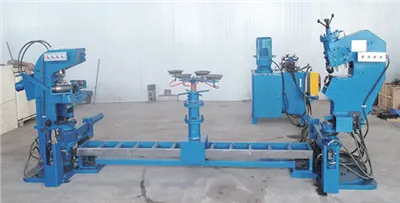
A chain-driven rotator is a mechanical device used for rotating objects. It typically consists of a chain, a drive mechanism, a supporting structure, and a control system. The chain drive ensures smooth rotation of the object, making it suitable for various industrial applications. This device is designed to improve production efficiency, reduce manual labor, and lower labor intensity.
Let's first discuss the working principle of a chain-driven rotator. Simply put, it utilizes the continuous motion of the chain to rotate the object. The process can be divided into several steps: the object is placed on the rotator's platform; then, the motor drives the chain, and the clamps or hooks on the chain grip the object; as the chain moves, the object is gradually lifted and rotated to the desired angle; finally, the object is gently lowered back into place or transferred to the next station. The entire process is precisely controlled by the control system to ensure accuracy and safety. This working principle allows the chain-driven rotator to handle large or heavy objects, ensuring stable rotation without damaging the object.
Next, let's talk about the applications of chain-driven rotators. These devices are used in many industries, including: manufacturing (e.g., automotive, home appliance, and machinery industries, for rotating large components during assembly or inspection); logistics and warehousing (for rotating cargo for easier stacking or loading/unloading); metallurgy and heavy industry (for handling heavy materials such as steel plates and castings); and agriculture (for rotating agricultural products or farm equipment). It's important to note that chain-driven rotators are suitable for relatively uniform and heavy objects; for fragile or irregularly shaped items, other types of rotating equipment may be needed.
When selecting a chain-driven rotator, several factors need to be considered. Here are some key guidelines:
First, clearly define your rotation requirements. This includes the weight, size, shape, and required rotation angle of the object. For example, if the object is heavy, choose a model with a high load capacity; if precise control of the rotation angle is needed, focus on the control system.
Second, consider the operating environment. Chain-driven rotators are typically used in indoor industrial settings, but if the environment has special requirements (e.g., high temperature, humidity, or dust), choose a device with an appropriate protection rating to ensure long-term stable operation. Third, assess production efficiency. Choose a machine with a suitable flipping speed based on the production line's rhythm. If the production pace is fast, prioritize high-speed models, but also consider balancing speed with stability.
Fourth, focus on safety features. Chain-driven flipping machines involve mechanical movement, so ensure they are equipped with necessary safety devices, such as emergency stop buttons, protective covers, and overload protection, to safeguard operators.
Fifth, consider budget and cost. Compare the price and operating costs (including energy consumption and maintenance) of different models while meeting your needs. Generally, domestically produced equipment is more affordable, but imported equipment may offer more advanced technology.
Sixth, consider after-sales service. When selecting a supplier, inquire about their after-sales service network and response time to ensure timely technical support if any problems arise.