

Hey there! As a cutting machine supplier, I often get asked about the cutting force of a cutting machine. So, let's dive right in and explore what cutting force is all about.
What is Cutting Force?
Cutting force is, in simple terms, the force required to cut through a material. When a cutting machine is at work, it has to overcome the resistance of the material it's cutting. This resistance is what we call the cutting force. Think of it like trying to cut through a piece of thick cardboard with a pair of scissors. The harder the cardboard is, the more force you need to apply with the scissors to make a clean cut.
In the context of cutting machines, this force is crucial. It determines how well a machine can handle different materials, the quality of the cut, and even the lifespan of the cutting tools. If the cutting force is too low, the machine might not be able to cut through the material at all, or it could result in a rough, uneven cut. On the other hand, if the cutting force is too high, it can cause excessive wear and tear on the cutting tools and might even damage the material being cut.
Factors Affecting Cutting Force
A bunch of factors can influence the cutting force of a cutting machine. Let's take a look at some of the most important ones.
Material Properties
The type of material being cut is a major factor. Different materials have different levels of hardness, toughness, and ductility. For example, cutting through a piece of soft aluminum is a lot easier than cutting through a thick steel plate. Aluminum is relatively soft and malleable, so it offers less resistance to the cutting tool. Steel, on the other hand, is much harder and stronger, requiring a higher cutting force.
The thickness of the material also matters. Thicker materials generally need more force to cut through. It's like trying to cut through a single sheet of paper versus a stack of papers. The more papers you have in the stack, the more force you need to apply to cut through all of them.
Cutting Tool Geometry
The shape and size of the cutting tool play a significant role in determining the cutting force. Tools with sharp edges require less force to penetrate the material compared to dull ones. A sharp blade can easily slice through the material, while a dull blade has to work harder, increasing the cutting force.
The rake angle of the cutting tool is another important aspect. The rake angle affects how the tool interacts with the material. A positive rake angle can reduce the cutting force by making it easier for the tool to shear the material. However, too large of a positive rake angle can make the tool less strong and more prone to breakage.
Cutting Parameters
The speed at which the cutting machine operates, the feed rate (how fast the material is fed into the cutting tool), and the depth of cut all impact the cutting force. Higher cutting speeds generally result in lower cutting forces, but there's a limit to how fast you can go. If the speed is too high, it can cause overheating of the cutting tool and reduce its lifespan.
A higher feed rate means the tool has to remove more material in a shorter amount of time, which increases the cutting force. Similarly, a greater depth of cut requires more force because the tool has to penetrate deeper into the material.

Measuring Cutting Force
Measuring the cutting force is important for several reasons. It helps in optimizing the cutting process, ensuring the quality of the cut, and protecting the cutting tools. There are a few different methods to measure cutting force.
One common way is to use a dynamometer. A dynamometer is a device that can measure the force exerted during the cutting process. It can be attached to the cutting machine, and it provides real - time data on the cutting force. This data can then be used to adjust the cutting parameters if necessary.
Another method is to use strain gauges. Strain gauges are sensors that can detect the deformation of a structure due to the application of force. By attaching strain gauges to the cutting tool or the machine components, we can indirectly measure the cutting force based on the amount of deformation.
Our Cutting Machines and Cutting Force
At our company, we offer a range of cutting machines that are designed to handle different cutting forces and materials. Let me introduce you to some of our popular models.
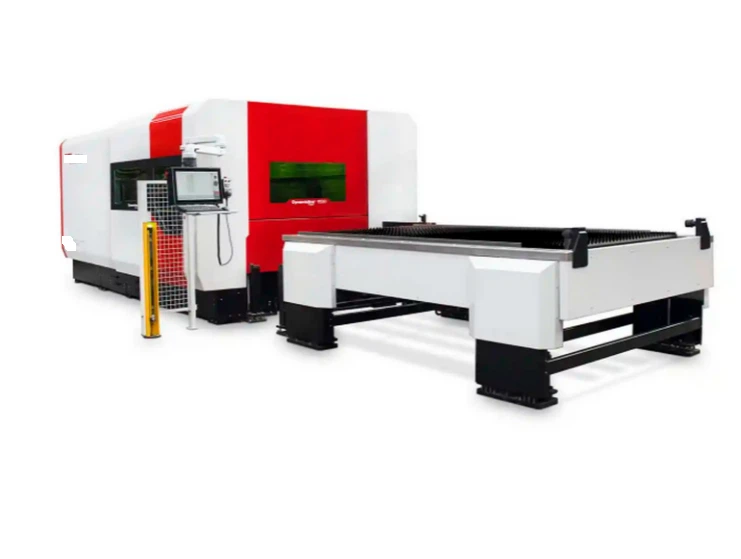
The Cutting Machine Flat Laser is a great option for precision cutting. It uses laser technology to cut through materials with high accuracy. The laser beam can generate a very high - energy density, which allows it to cut through a variety of materials, including metals, plastics, and wood, with relatively low cutting forces. This is because the laser vaporizes or melts the material instead of physically shearing it, reducing the resistance.
The Fully Automatic Cutting Machine is designed for high - volume production. It can handle different types of materials and thicknesses. The machine is equipped with advanced control systems that can adjust the cutting force based on the material properties and cutting parameters. This ensures consistent cutting quality and reduces the risk of tool damage.
The Fully Automatic Laser Cutting Machine takes automation and precision to the next level. It combines the advantages of laser cutting with full automation. The machine can be programmed to cut complex shapes with high precision, and it can optimize the cutting force for each specific job. This makes it ideal for industries that require high - quality, mass - produced parts.
Importance of Understanding Cutting Force for Buyers
If you're in the market for a cutting machine, understanding cutting force is crucial. It can help you choose the right machine for your needs. You need to consider the types of materials you'll be cutting, the thickness of those materials, and the volume of production.
For example, if you mainly work with thin, soft materials, you might not need a machine with a very high cutting force. A machine like our Cutting Machine Flat Laser could be a perfect fit. But if you're dealing with thick, hard materials, you'll need a machine that can generate enough force to cut through them. Our Fully Automatic Cutting Machine or Fully Automatic Laser Cutting Machine might be more suitable in that case.
Conclusion
So, there you have it – a rundown on what the cutting force of a cutting machine is, the factors that affect it, how to measure it, and how our cutting machines handle different cutting forces. Understanding cutting force is essential for both the efficient operation of the cutting machine and the quality of the end product.
If you're interested in learning more about our cutting machines or have any questions regarding cutting force and which machine is right for you, don't hesitate to reach out. We're here to help you make the best choice for your business. Whether you're a small workshop or a large manufacturing plant, we have the cutting solution for you. Contact us today to start the procurement process and let's have a great cutting experience together!
References
- Kalpakjian, S., & Schmid, S. R. (2009). Manufacturing Engineering and Technology. Pearson Prentice Hall.
- Trent, E. M., & Wright, P. K. (2000). Metal Cutting. Butterworth - Heinemann.


